



Stop the Shrapnel: Keeping Your Wafers Safe from Lamp Failures
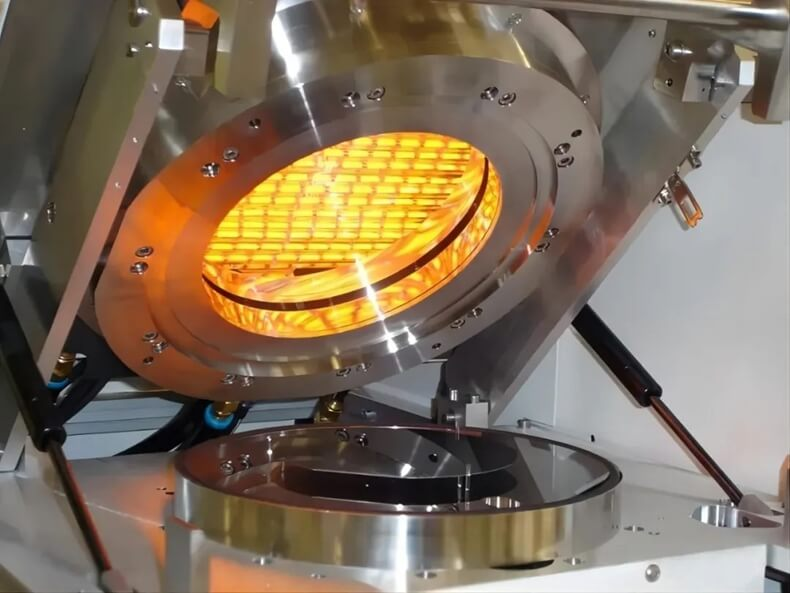
In a semiconductor fab, one bad break can ruin everything. I’ve seen it happen. An infrared tube pops under a heavy load and suddenly you aren’t just dealing with downtime—you’re dealing with a clean room showered in quartz shards and metallic grit. It’s a nightmare. That’s why we build our lamps to stop that secondary mess before it even starts. The “Safety Net” for Your Glass We use high-purity fused quartz for the envelope because it can handle the wild swings in temperature without just snapping. But we don’t stop there. We add a protective sleeve or a shatter-resistant coating to act as a backup. Think of it like a screen protector for your phone. If the inner filament goes and the glass breaks, the coating grips those fragments and holds them in place. The debris stays put. Your wafers stay clean. Don’t Push the Hardware Too Hard When you’re running high-load production, you’re basically pushing the lamp to its limit. To keep things from burning out early, we spec our filaments for very precise wattage to avoid those dangerous hot spots. But here’s the thing: you’ve got to make sure your power supply matches our voltage requirements exactly. If they’re mismatched, you get uneven heating. That puts a ton of stress on the quartz, and that’s usually when things go boom. The Little Things That Matter Installation is where a lot of people trip up. We use standardized connectors to keep things tight, but you still need to double-check the tension when you wire them up. Why? Because a loose connection causes arcing. That creates tiny, intense pockets of heat that weaken the ends of the lamp. It’s a small detail, but it’s a big deal. One quick heads-up: those shatter-resistant coatings do block a tiny bit of the heat—usually around 3-5%. You might notice a slight dip in output compared to a bare tube. You’ll probably need to bump up the power or let your wafers soak a bit longer to make up for it. It’s a small trade-off, but it beats the hell out of scrubbing metallic debris off a ruined batch of wafers.