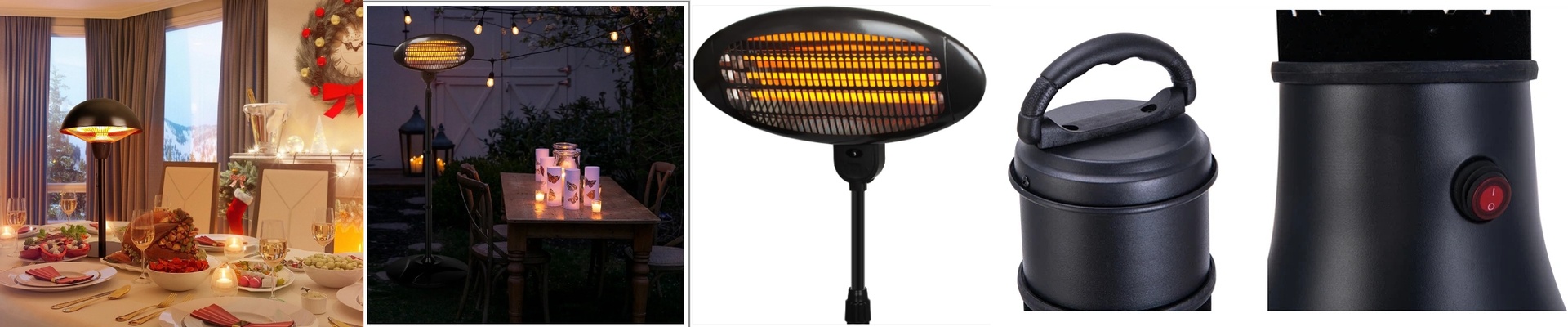
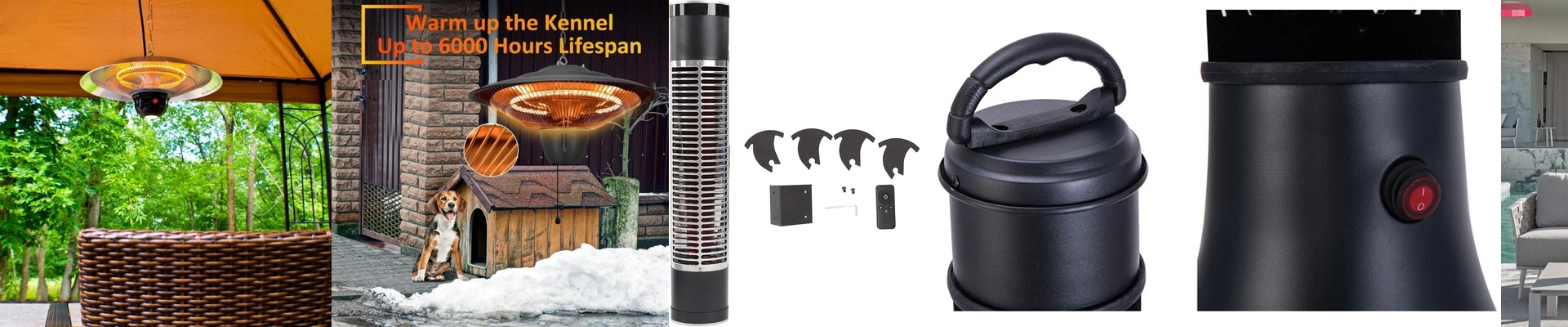

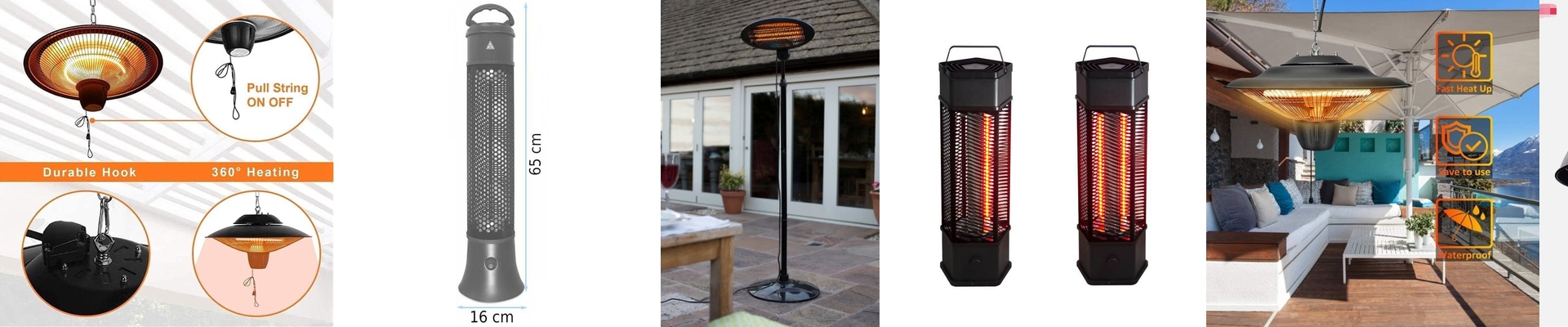
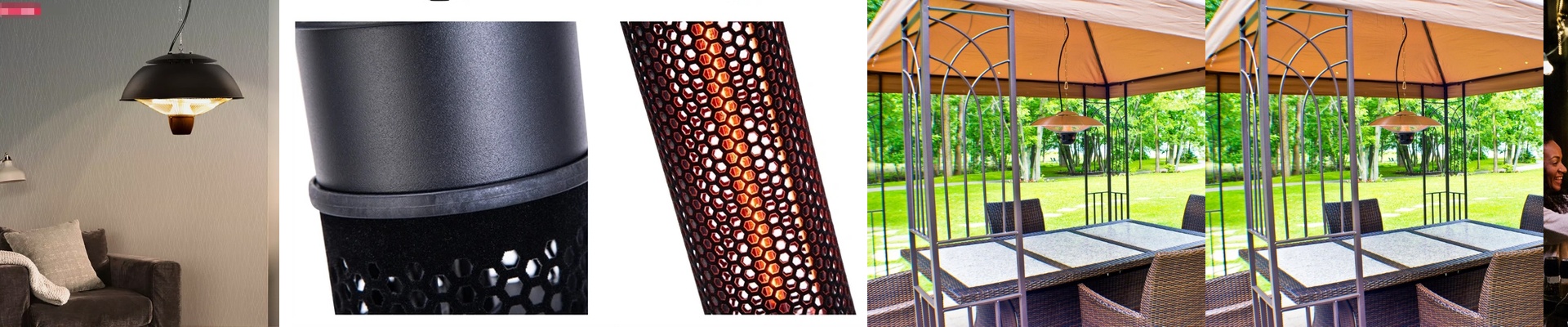

On a cold winter day, comfort goes first. Hands stiffen, feet go numb, and focus falls apart. When the air bites, forced-air systems can warm the space—but they don’t warm the people in it. A commercial electric infrared heater flips that script by delivering direct radiant warmth, right where you need it. What matters under the hood We build these commercial electric heaters around infrared quartz tubes or carbon fiber elements that throw medium-wave radiant heat. Instead of warming air like convection heaters, infrared warms surfaces and people directly—more like the sun. You feel it the instant you step into range: immediate, directional heat. Specs matter here. Output typically runs 3 kW to 12 kW, with standard voltage options at 240 V or 380 V, covering workshops, patios, and commercial spots. Built-in thermostats keep comfort steady, while tip-over protection and overheat cutoffs keep operation safe. For outdoor areas, pick a model with a proper IP rating to stand up to moisture and dust. Why it works in the real world Cold hands and feet are often a circulation issue. Infrared warmth penetrates gently, helping improve local microcirculation and relax tight muscles. That soothing heat clears the chill that lingers even when a room “feels” warm. In commercial settings—warehouses, workshops, outdoor seating—that translates to fewer breaks to warm up, steadier focus, and a better experience for your team and customers. Because the heat is directional, it warms people, not the ceiling, so the energy goes where it counts. The practical details you can’t skip Infrared works best within line-of-sight and a defined radius, so placement matters. Aim the heater toward work areas or seating, and keep the distance inside the unit’s effective coverage. If you need whole-room heating, pair it with a low-noise fan-assisted heater to even out the air temperature. Installation means sizing the circuit right and using a solid mounting point. For outdoor use, make sure the model is rated for the environment you’re running it in.