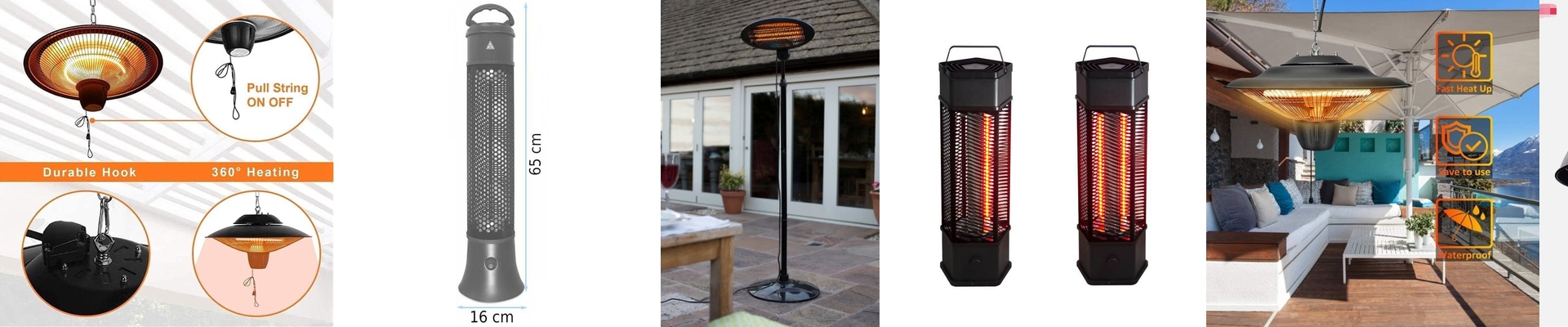

Why Your Bathroom Heater Needs an IP65 Rating
Let’s be honest: most old-school bathroom heat lamps are pretty basic. They get the job done, but they aren’t exactly built for the chaos of a steamy shower. That’s why we’re seeing a big shift toward IP65-rated infrared heating. Standard units just can’t keep up when you’ve got steam and water spraying everywhere.
The deal with IP65
If you’ve ever wondered what “IP65” actually means for your home, think of it as a shield. It means the unit is totally dust-tight and can handle water jets hitting it from any angle. In a bathroom, moisture is sneaky. It doesn’t just sit on the outside; it finds its way through the gaps. When a stray drop of water hits a scorching hot quartz tube or an open terminal, things go south fast. You get thermal shock or a short circuit. By sealing the element and the housing to IP65 standards, we keep the water away from the electrical bits. No moisture means no corrosion, and your heater doesn’t burn out nearly as fast.
Infrared vs. the old way
Most heaters just try to warm up the air around you. It takes forever. Infrared is different. It sends out short-wave radiation that hits you—and your tiles—directly. It’s fast. Like, “instant warmth” fast. We use a specific kind of quartz glass to wrap the tungsten filament, and we often add a coating to make sure your skin absorbs the heat as efficiently as possible.
A few things to keep in mind
These are designed to be drop-in replacements. You just wire them into your existing circuit and you’re good to go. But here is the catch:the seal is everything. If you pinch the gasket while you’re installing it, that IP65 protection is gone. It’s a small detail, but it’s the difference between a heater that lasts years and one that dies in a few months. Also, there’s a bit of a trade-off. Because these units are sealed tight to keep water out, they don’t “breathe” as much as open-air lamps. This traps more heat inside the housing. To stop the insulation from melting, we have to use wiring that can handle much higher temperatures. You lose a bit of airflow, but you get a heater that actually survives the shower. That’s a trade I’m willing to make.