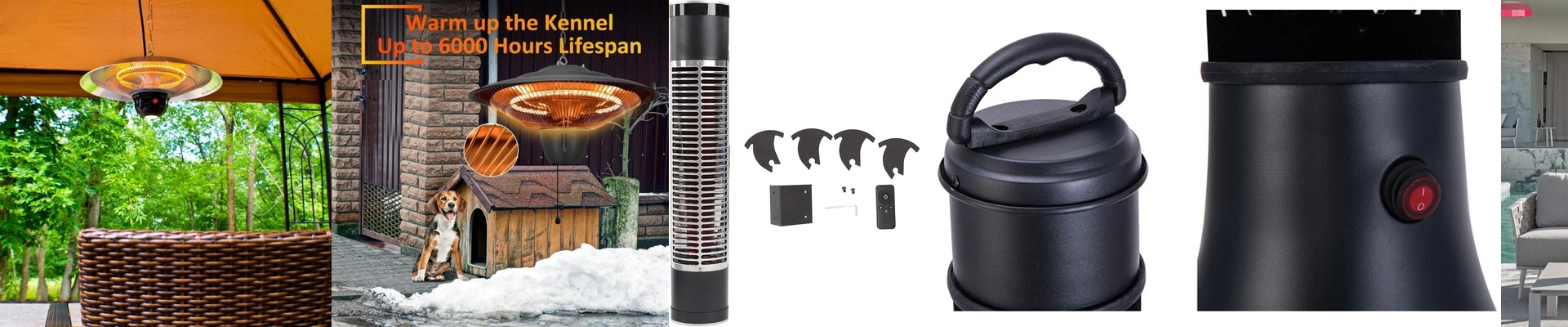


Cold evenings don’t just make you shiver—they quietly make your heart work harder, especially for older adults. When standard forced-air heat kicks on, it stirs up dust and dries the air. The body responds by tightening blood vessels to hold warmth, and that can pinch circulation. A quartz infrared heater flips that dynamic. It delivers radiant warmth that feels like standing in a patch of sunlight.
What matters, technically
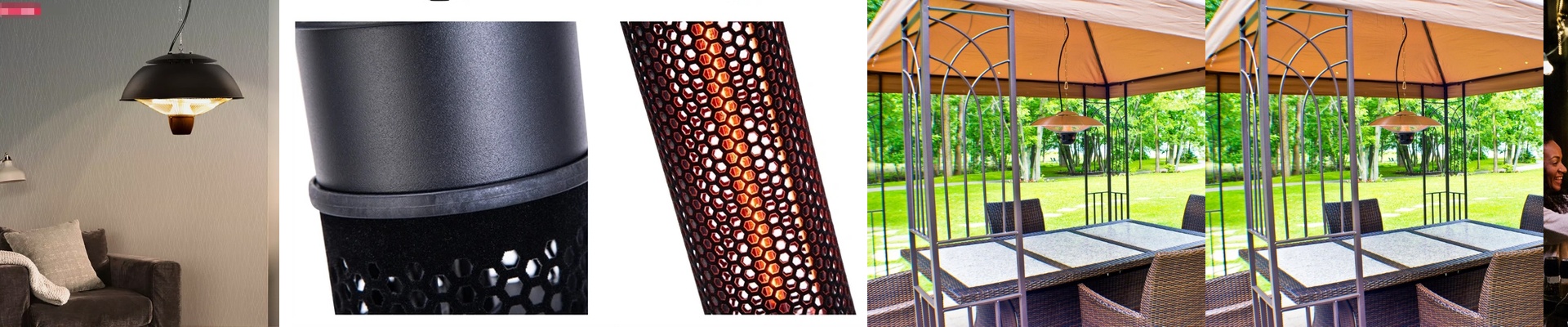
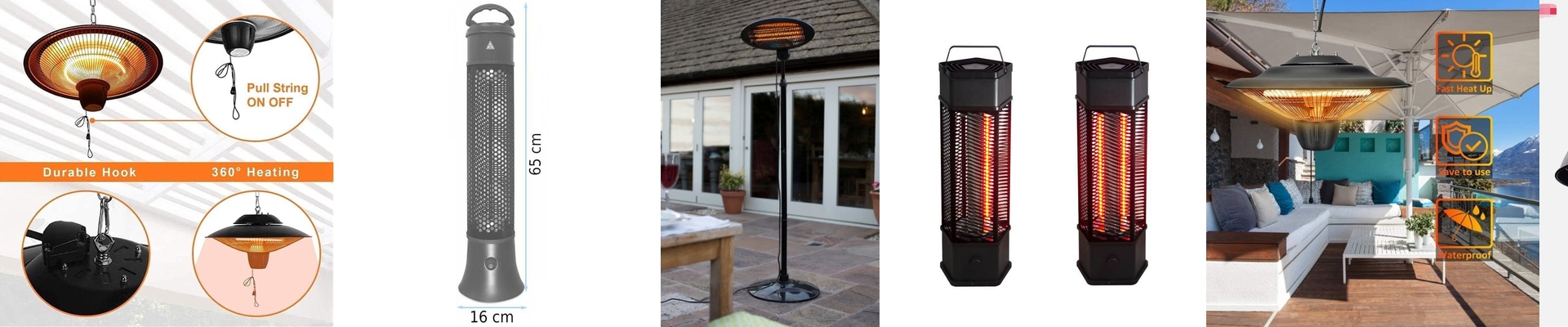
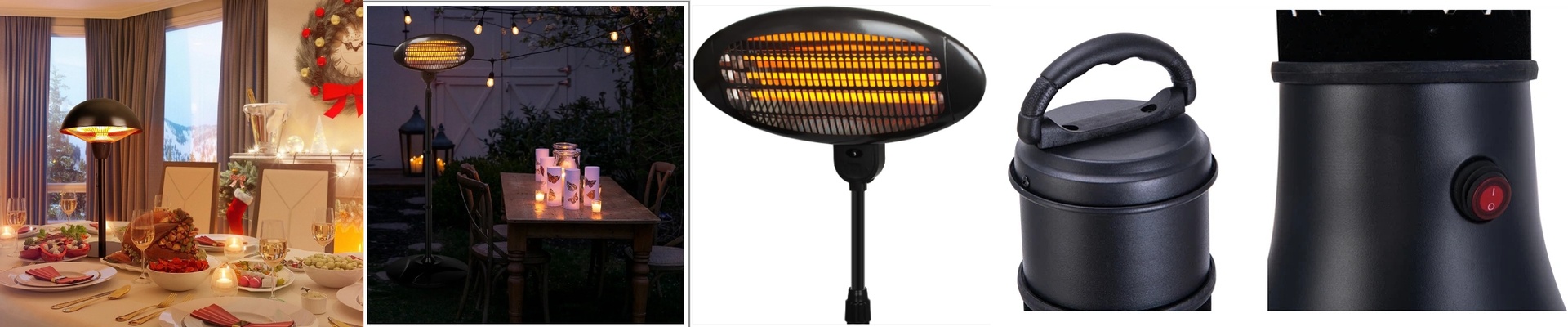
Quartz infrared heaters use a sealed quartz tube with a resistive element inside, built to emit short- and medium-wave infrared energy. That radiant heat travels in straight lines and warms solid objects—chairs, floors, walls, and people—instead of heating the air first. The payoff is a more even temperature at occupant level, with no air movement to stir allergens. Many models include a thermostat and tip-over protection, and some carry an IP rating for covered outdoor areas.
Why it fits the need
For midlife and older households, the comfort target is gentle, steady warmth that supports circulation. Quartz infrared heat penetrates the superficial layers and helps relax muscles, which can ease the tension that follows sudden cold exposure. Because the warmth arrives right away, you don’t have to crank the room temperature to feel comfortable. That means fewer temperature swings and less strain on the cardiovascular system during evening relaxation or nighttime routines.
The practical side
Quartz infrared is targeted warmth, not whole-room heating like a central furnace. Put the unit where you spend most of your time, in direct line-of-sight, and keep a safe clearance from curtains and furniture. It shines as a supplemental heat source in living rooms, sunrooms, and covered patios.The front of the heater gets warm during operation, so position it where curious hands or pets can’t reach it.