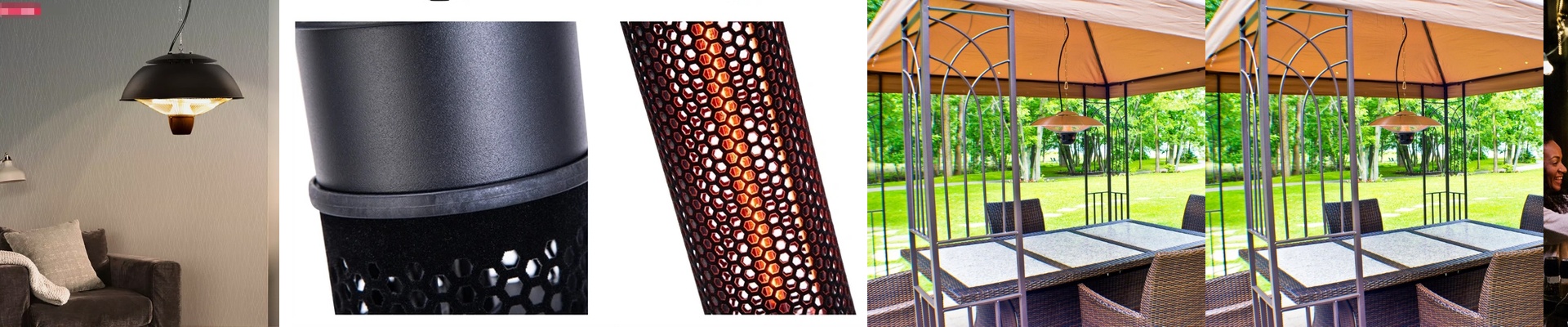
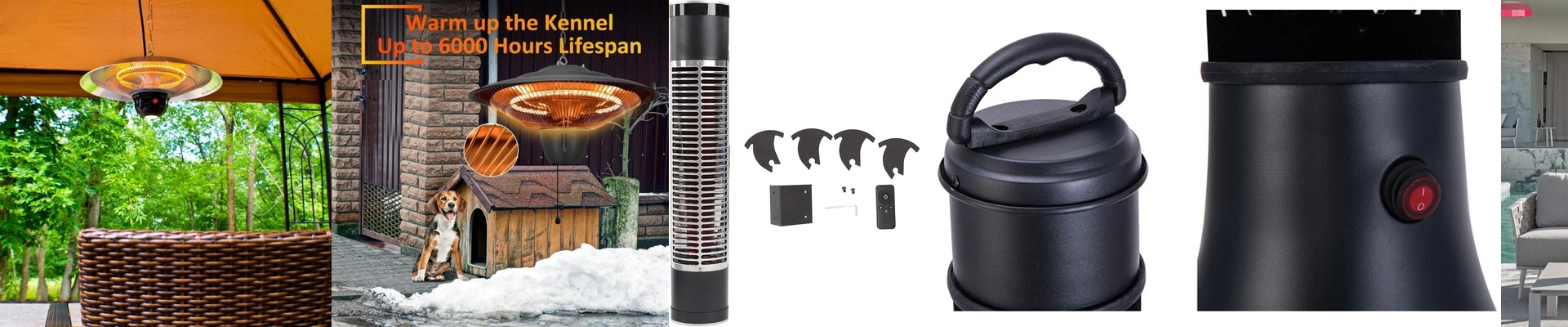
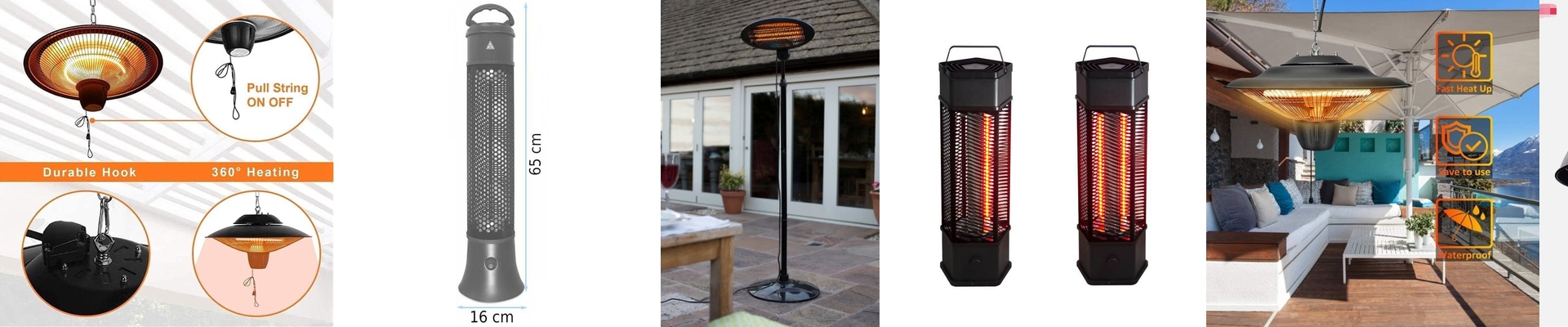
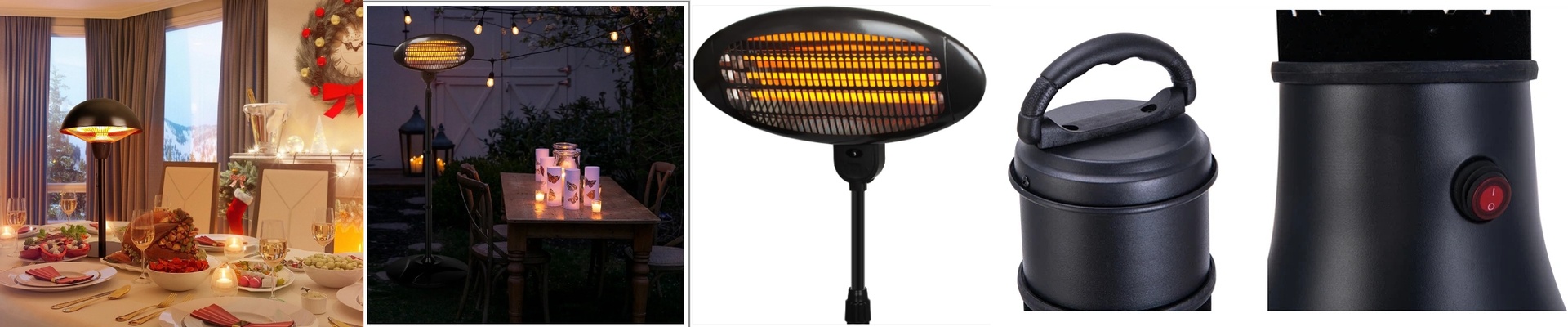


On a cold evening, the last thing you need is a heater that quits halfway through. With infrared heaters, the weak spot usually isn’t obvious—it’s the lead where power enters the unit. If that seal can’t take the heat, the wiring hardens and ages. Shorts show up. And safety features like tip-over protection can stop doing their job. So we build our heaters with factory-grade lead sealing, the same approach used on professional lines, not a quick fix that falls apart in the field.
What actually matters under the hood
We run a high-temperature, dual-compression lead seal. A gasket plus a metal lock ring locks the power line into the housing, solid. Inside, the wiring is rated for 150°C, so it stays flexible and intact even after thousands of heating cycles. The infrared element is a 1,500W carbon fiber tube—chosen because it holds stable resistance and delivers even radiant heat. And the tip-over protection is a real mechanical switch, not a software shortcut. If the unit gets knocked over, power cuts out immediately.
Why this holds up in practice
Outdoor and indoor infrared heating comes down to one thing: keeping connections clean and dry. Our sealed lead keeps moisture and dust out, so the electrical path stays stable. You get infrared warmth that starts within seconds, and it holds steady without flickering. Because the seal resists heat aging, you avoid the slow drift that creates hot spots and hastens failure. The payoff is fewer interruptions, less maintenance, and heat you can count on.
What to keep in mind
For best results, plug the heater into a grounded outlet on a circuit that can handle the 1,500W load. Keep the cord clear of sharp edges and foot traffic. The tip-over switch adds protection, but still set the heater on a level, stable surface and leave at least three feet of clearance from furniture and curtains. And this isn’t for enclosed, unventilated spaces—fresh air flow keeps the housing cool and the electronics happy.