
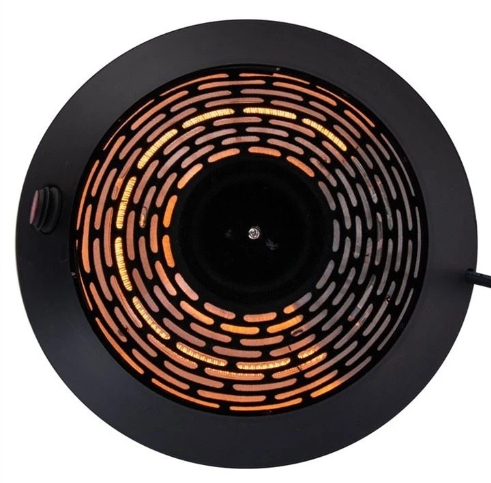
Walk the heating aisle or scroll online, and the options start to blur—cheap panels, big promises, and prices that make you ask what you’re actually buying. When comfort comes down to dependable warmth, the documentation matters. CE certification isn’t just a sticker; it means the design has been run through real safety and performance testing. For an in-wall electric fireplace, that kind of backing means fewer headaches when the weather turns. What matters under the hood Infrared in-wall units put out heat the same way the sun does—straight onto people and surfaces—without pushing air around that ends up feeling drafty. Inside, a quartz or carbon fiber element comes up to temperature fast, so the radiant warmth hits immediately. Add in a built-in thermostat and tip-over protection, and the unit stays responsive and stable. CE marking confirms compliance with electrical safety, emissions, and construction requirements, so it can be installed into a wall cavity using standard wiring and a dedicated circuit. Here’s why it cuts through the noise. The market is packed with heaters that look fine on paper but fall apart in practice. CE certification is a practical filter—it helps cut down the risk of overheating, uneven output, and early failure. Those failures show up as cold spots, energy use creeping up, and service calls you didn’t sign up for. An in-wall infrared fireplace keeps living spaces warm without stealing floor space, and the radiant warmth helps muscles relax instead of leaving you chilled to the bone. You end up with a cleaner look, quieter operation, and heat that comes on when you need it. A few things to get right. Because these are in-wall models, installation isn’t optional—it’s the whole game. Clearances, ventilation, and a grounded electrical supply have to line up with local codes, and the unit needs a dedicated circuit to run safely. Most are built for indoor use; if you want comfort outside, pick an outdoor-rated patio heater instead. Plan the wiring early, mount the bracket solid, and you’ll get a heater that performs season after season—without wondering whether it was actually built to last.