
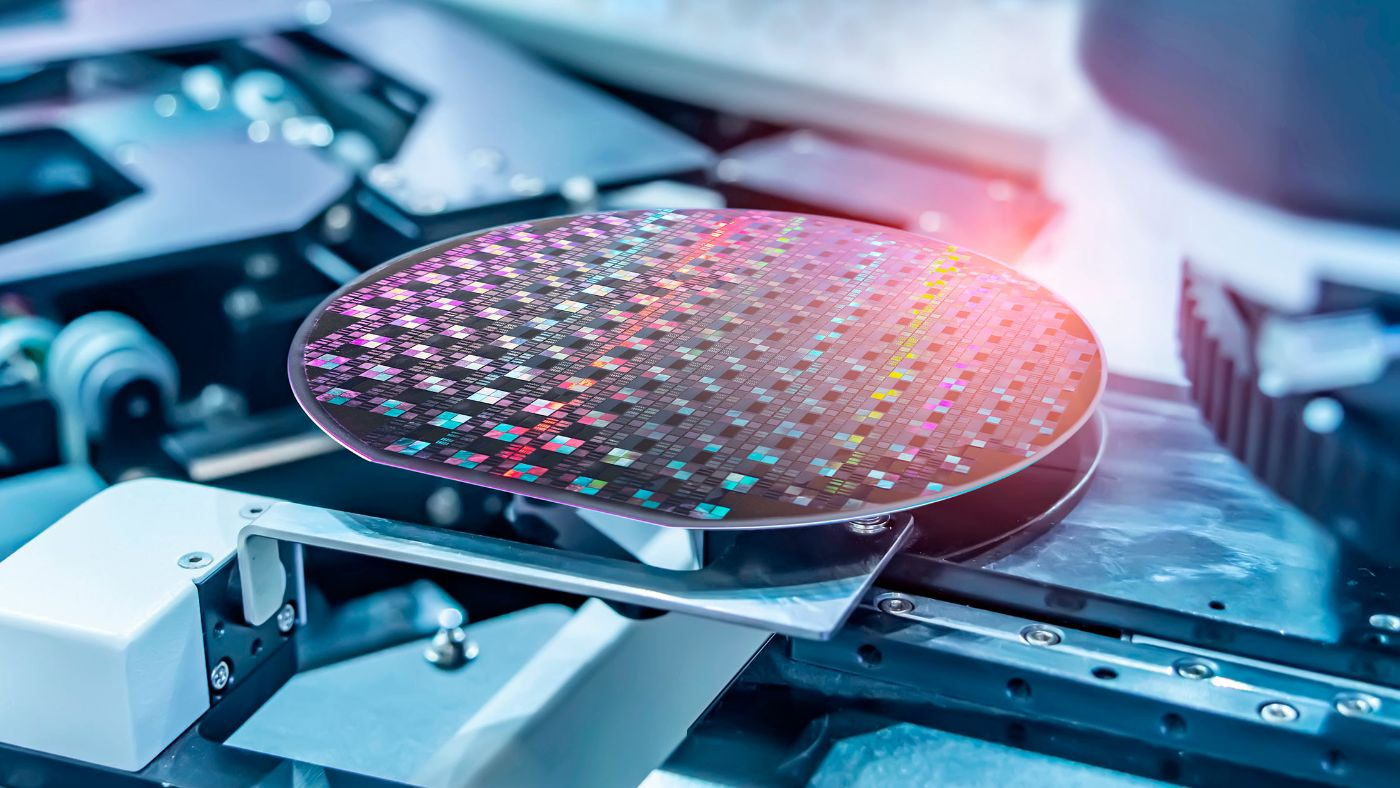
On the fab floor, the clock never stops. A wafer is waiting for its photoresist coat. A cleaning bath just finished its cycle. A package stack needs one last cure. In each of these steps, the heat isn’t just heating—it’s a controlled transfer that makes or breaks linewidth, adhesion, and reliability. When that heat drifts, the defects show up later as scum, undercut, voids, or delamination. We built our polyimide bake infrared lamps for exactly these moments, where the process window is tight and the cost of drift is scrap and rework. The point isn’t just hitting temperature. It’s repeatable temperature distribution, fast response without overshoot, and a clean profile that won’t add particles in a Class 1–100 environment.
What matters, technically
Infrared heating works here because it couples energy directly into the material, not just the air around it. For polyimide bake, photoresist soft bake and hard bake, wafer drying, and packaging cure, the right wavelength and control architecture cut thermal lag and bring the setpoint back fast. Our lamps run short-wave infrared emitters with a fast-rising response, so the system stabilizes quickly after door openings and wafer loads. It’s designed for wafer-level uniformity, with tight control across the heated zone. In practice, that means less edge-to-center bias, so critical dimensions track to spec across the wafer instead of drifting at the bevel. Here’s what the specs translate to on the line:
- **Temperature precision and uniformity:**Closed-loop control keeps the bake zone stable, with wafer-plane uniformity that supports tight process windows. You can run with a smaller guard band and fewer qualification excursions.
- **Fast settling time:**After loading, the lamp returns to setpoint quickly. That shortens cycle time and reduces the time the wafer spends outside the spec temperature band.
- **Cleanroom-compatible construction:**The assembly is built to minimize particle generation. We choose materials and geometry that won’t outgas or flake under sustained bake profiles.
- **Energy efficiency and repeatability:**Infrared output is electrically repeatable, so the thermal budget delivered to each batch is consistent shift to shift. The energy goes straight into the target, with less wasted convection heating of chamber walls. We match lamp output to the absorbance of the films you’re running—photoresist and polyimide absorb efficiently in the short-wave infrared. Energy lands where it’s needed, and the substrate sees a clean thermal profile.
Why this works in a real fab
A semiconductor line is a chain of thermal steps, each one setting up the next. Our infrared lamps fit into the workflows that actually run your fab. **Wafer drying after cleaning.**After a wet clean or rinse, residual moisture can hide in features and along the bevel. Hotplates can leave thermal lag at start-up and a cool-down tail at the end. Infrared gives you a sharp, controlled heat pulse that drives off moisture quickly and evenly. The payoff is fewer water marks, lower particle counts after drying, and a more stable start for the next coat. **Photoresist soft bake and hard bake.**Soft bake sets solvent removal and adhesion; hard bake preps the resist for etch or electroplating. Both demand repeatable temperature and minimal gradient. Infrared heats the resist layer directly, cutting the gap between indicated plate temperature and actual resist temperature. That reduces scum at contact holes, tightens critical dimension control across the wafer, and makes post-bake film thickness more predictable. **Polyimide bake and cure.**Polyimide layers are sensitive to thermal shock and need a controlled ramp to avoid stress and voids. Infrared lamps can be tuned to deliver a clean ramp without overshoot, then hold the soak phase steady. The result is more consistent shrinkage, fewer voids in redistribution layers, and better yield on fine-pitch structures. **Packaging curing and post-mold bake.**In packaging, throughput and temperature uniformity drive both yield and cost. Infrared heats mold compounds and underfills rapidly and uniformly, shortening cure time while keeping the profile under control. Consistent cure cuts warpage and improves interconnect reliability. Across these steps, the gains are straightforward:
- Tighter process windowsfrom better uniformity and repeatability.
- Lower cycle timethanks to fast setpoint recovery and rapid ramp control.
- Reduced energy usebecause the lamp heats the target directly, not the whole chamber.
- Fewer consumable changessince the system runs long intervals with stable output. We’ve seen units run 5,000+ hours with less than 5% output drop under controlled conditions, supporting long campaigns without the yield drift that comes from emitter aging.
The things you need to get right
Infrared bake lamps perform, but they need careful integration.
- **Line voltage and power density.**Match the lamp to the available supply and the tool’s thermal load. A mismatch shows up as slow recovery after load changes, or overshoot that forces you to widen the process window. Plan the electrical interface early.
- **Emitter life and preventive maintenance.**Infrared emitters have finite life. Schedule replacements during planned downtime, and keep a spare kit on hand. A proactive replacement plan avoids unplanned stops and keeps particle counts stable.
- **Thermal profile tuning.**Not every film absorbs the same way. You’ll need to tune setpoint, ramp rate, and soak time to match the resist or polyimide chemistry. Start conservative, then adjust based on residual solvent data and critical dimension measurements.
- **Cleanroom compatibility and mounting.**Install the lamp assembly so airflow and particle control stay intact. Pay attention to seals and clearances. A misaligned lamp creates hot spots and can increase particle shedding. If you’re running high-volume manufacturing, the biggest payoff comes from aligning lamp spec to the tool and the film stack. Define the temperature budget first, then choose the lamp output, control method, and mechanical envelope that meet it. When the step is a bake, the difference is measurable. Run the same profile shift after shift. Hit the target without chasing drift. Keep the line moving with predictable maintenance and stable output. That’s the work these polyimide bake infrared lamps are built to do.