
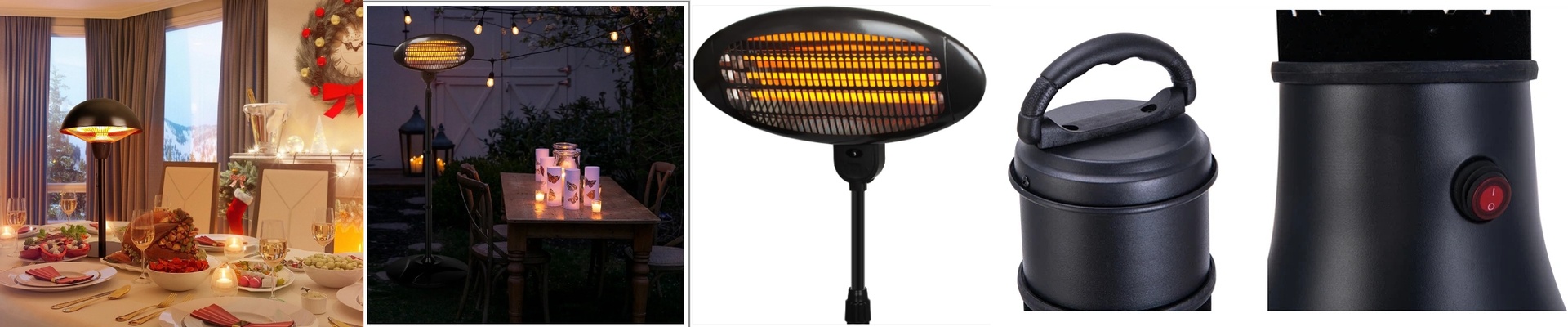
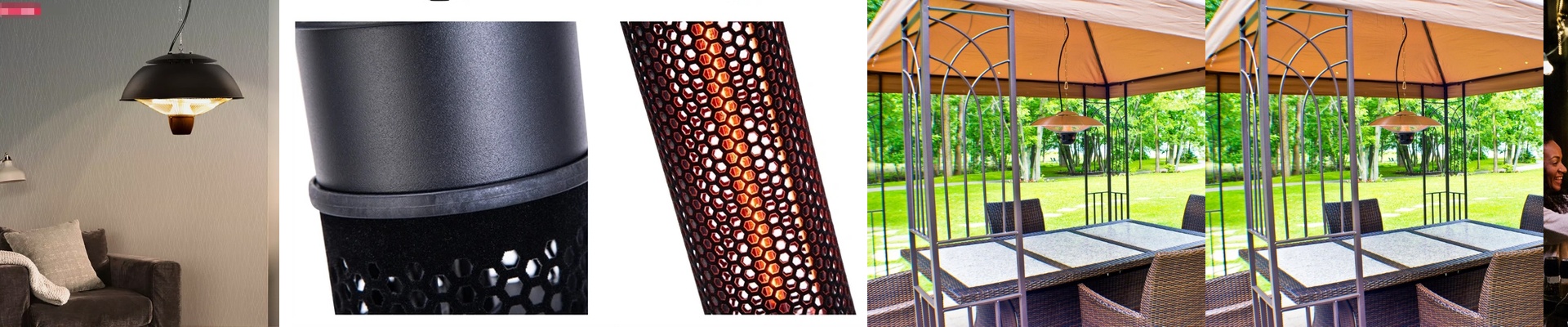
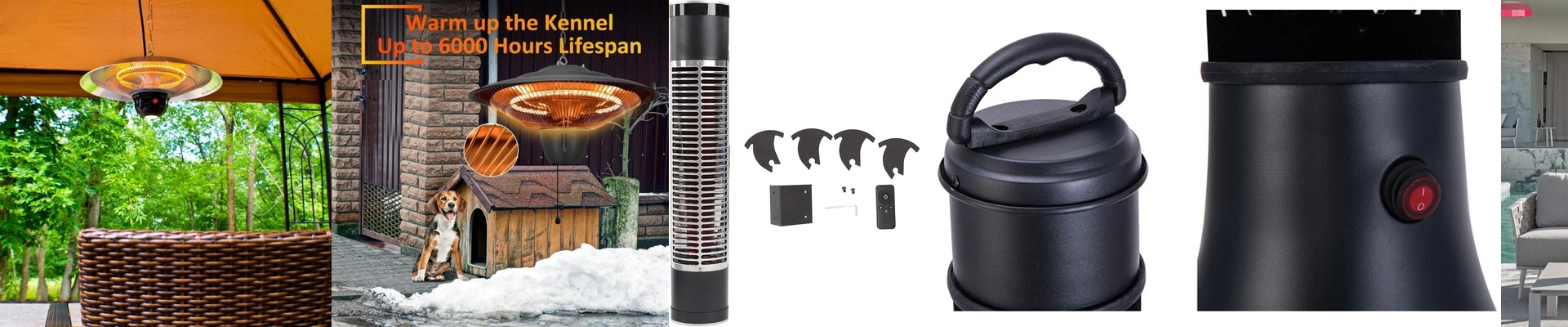
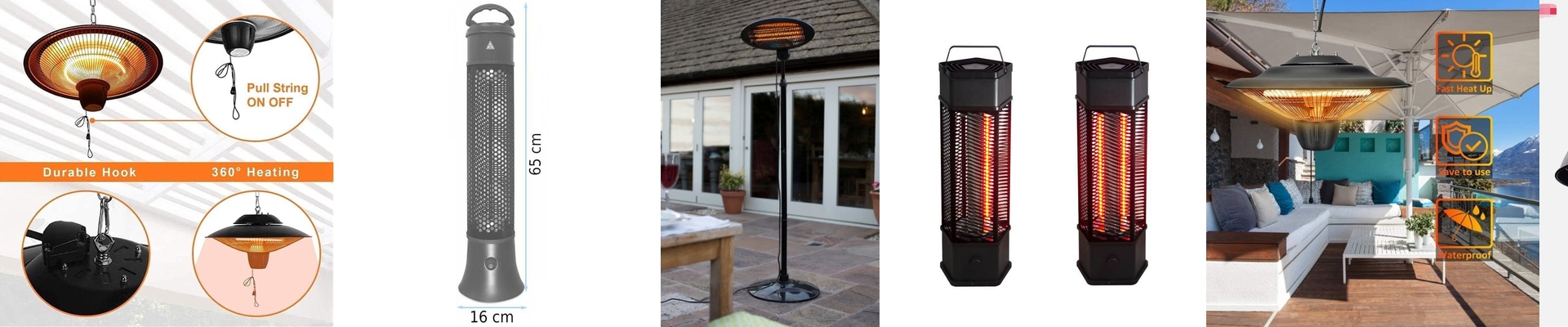

Step into the bathroom after a long day. Steam hangs in the air, the mirror fogs, and everything feels damp. Hit the switch on the infrared heater, and the chill backs off fast. But here’s the thing: if that heater doesn’t use explosion-proof quartz tubes, that cozy glow comes with a risk you can’t see. Moisture plus heat can make ordinary elements crack, sputter, or even fail. We build our umbrella heaters with heavy-wall quartz and fully sealed terminals so the heat stays in the beam—where it does the work—not bleeding out around the element.
What matters, technically
We run explosion-proof quartz infrared tubes because quartz handles thermal shock far better than glass, and the thicker wall stands up to internal pressure spikes. They run on short-wave infrared, so you get instant radiant warmth that heats people and surfaces directly, instead of trying to warm the air. In practice, that means the unit hits full output in seconds, and the beam targets the spots that feel cold first—shoulders, back, legs. The element sits behind a solid steel guard, and the cord is grounded and drip-resistant. Built-in thermal protection cuts power if the heater tips or runs too hot.
Why it works in wet spots
In a wet environment, safety isn’t a marketing line—it’s why you can actually relax. Explosion-proof quartz tubes cut the odds of a sudden failure, so the heater stays steady even when humidity spikes. The radiant heat also keeps the floor and towels from turning clammy, so the room catches up with your routine, not the other way around. Because the warmth arrives fast, you spend less time waiting and more time in that steady, even glow—the kind that helps muscles loosen and breathing settle.
What to keep in mind
This heater is built for covered outdoor spots and indoor wet areas, but it’s not meant to be fully submerged or hit by driving rain. Plug it into a dedicated outlet on a properly grounded circuit, and give it clearance from walls and fabric at the mounting point. For the best feel, angle the beam toward the seating or bathing zone, not straight up. Expect strong warmth inside the beam path; step outside that cone and the heat drops off—that’s just how infrared works.