

Getting Your Clean Room Trolley Heat Right
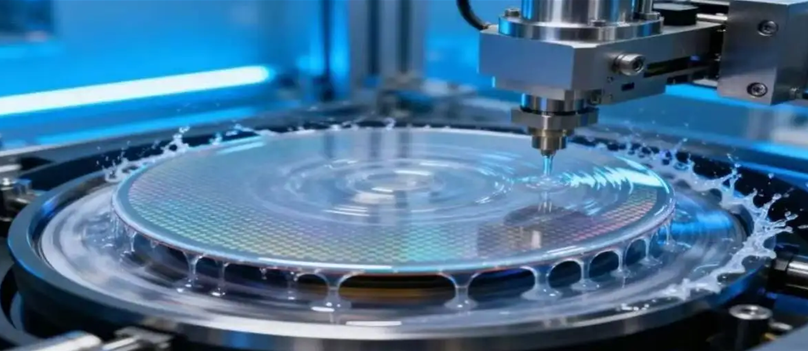
If you’re building a smart Fab, you’re probably chasing that dream of a fully data-driven floor. But here’s the problem: old-school convection heating just doesn’t play well with that. It’s slow to warm up, and it kicks up air turbulence that ruins your laminar flow. Not ideal. That’s why we use shortwave infrared (IR) for trolley heaters. Instead of trying to heat the air, IR sends energy straight to the target via radiation. It’s cleaner, faster, and way more predictable. Making Heat “Smart” In a modern setup, you can’t have a “dumb” heat source. You need to know exactly what’s happening at every second. We hook these IR heaters up to PID controllers that talk directly to your central OS. The result? You get instant heat-up and cool-down. No more waiting around for resistive elements to finally catch up. We’ve dialed these in to keep temperatures tight across the whole trolley, so your wafers don’t get hit with thermal shock while they’re moving. The Nitty-Gritty Hardware We build these using high-purity quartz tubes. Because it’s shortwave emission, the heat actually sinks into the material rather than just warming up the room. To keep things digital, we bake in sensors that track wattage and tell you when a lamp is starting to fade. One heads-up, though: watch your power density. These high-wattage arrays pull a lot of current. If you’re lining up a bunch of these trolleys, make sure your electrical panels can handle the initial surge. You don’t want to be the person tripping breakers on a Tuesday morning. Why This Actually Works The best part? IR takes up way less space. You can ditch the bulky insulation and those oversized fans. That clears up a lot of floor space for your AGVs and robots to move around without bumping into things. Plus, you stop guessing the temperature based on a timer and start knowing the thermal state through real-time feedback. That’s how you actually digitize a production line without the headache.