


Winter nights turn bedrooms into echo chambers. You hear the faint hum of forced air, the relay click, the fan kick on—noise that chips away at real rest. When sleep feels hard to find, the issue usually isn’t warmth itself. It’s how that warmth gets delivered.
What actually matters, technically
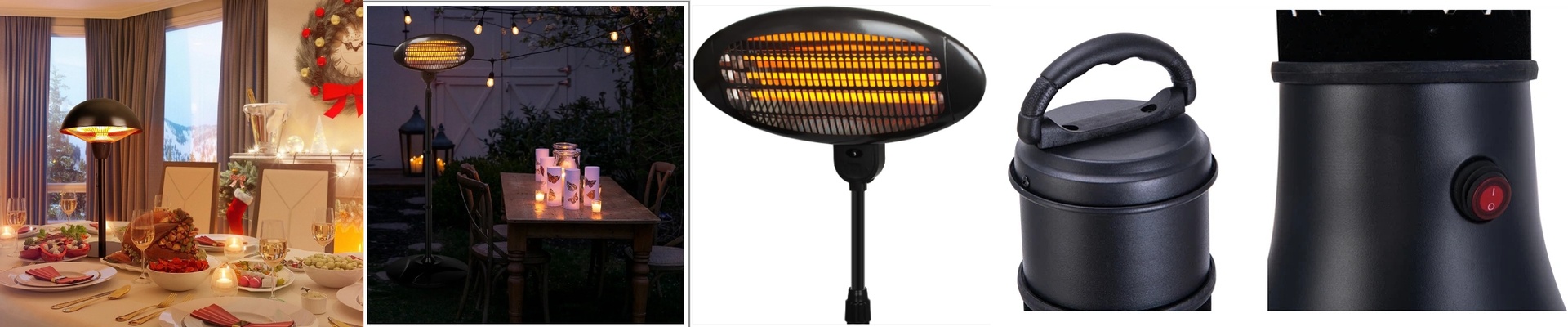
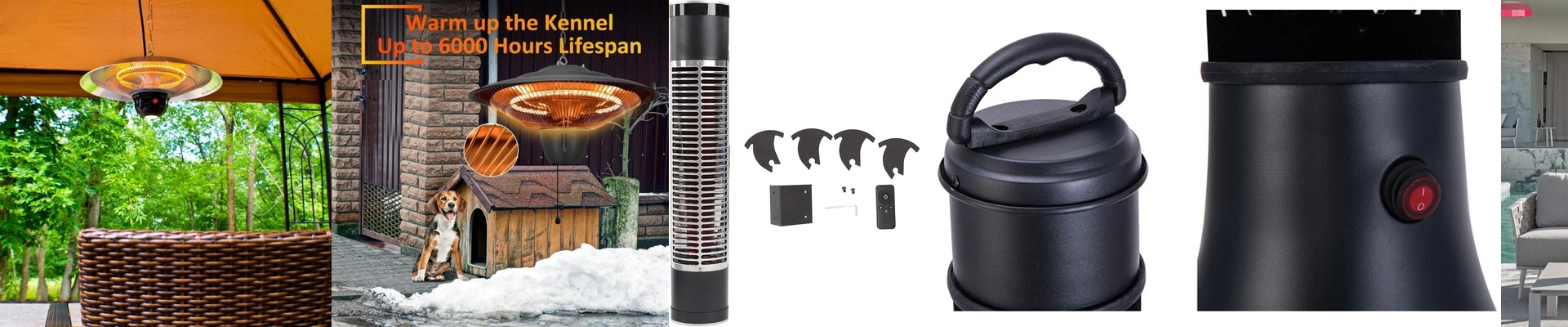
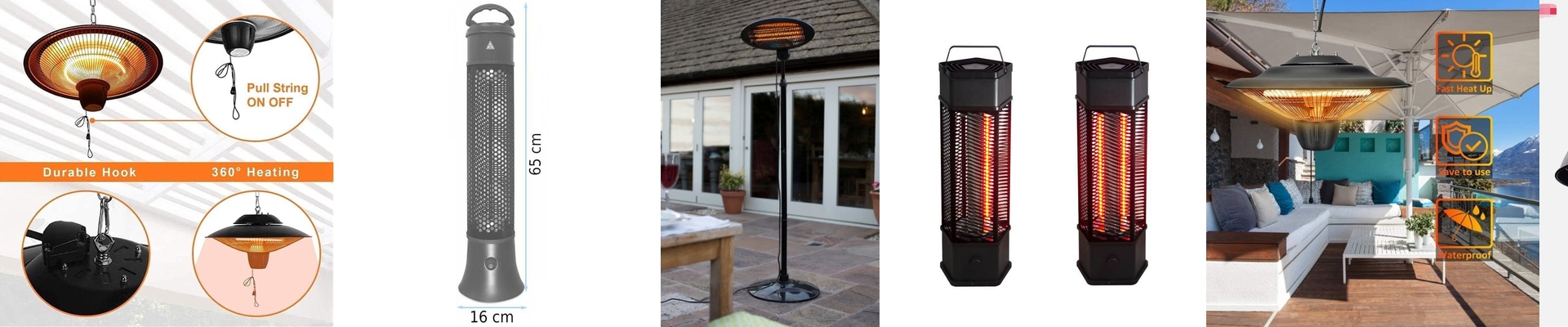
Infrared heaters warm people and surfaces directly, not the air. In practice, that means comfort without stirring up dust or kicking allergens around. The heating element—typically a carbon fiber or quartz tube—puts out radiant heat that travels outward at the speed of light, so you feel warmth almost the instant the unit is on. With no loud blower, there’s no drivetrain noise to contend with. If you’re shopping electric, look for low-noise motors where a motor is used, vibration-dampened mounts, and a thermostat that makes small, steady adjustments. A tip-over switch is standard for bedrooms, and cool-touch housing matters when the heater sits within arm’s reach.
Why this works in a bedroom
In a bedroom, the goal isn’t just heat—it’s uninterrupted sleep. Infrared warmth settles over the space without the temperature swings that pull you out of deep sleep, leaving you cold, then sweating. That steady comfort makes for a calmer night, and many people notice fewer wake-ups. The payoff is personal: deeper rest, less tossing, and mornings that don’t feel frayed. And because the heater warms objects and bodies directly, it can feel effective even at a slightly lower thermostat setting than air-based systems, which can help keep energy use in line.
The practical details
Placement matters. Keep the heater at least three feet from bedding, curtains, or other combustibles, and follow the clearances in the manual. Most bedroom units plug into a standard outlet, but if you can, run it on its own circuit—especially if other devices share the same outlet. Infrared heat is directional, so you’ll feel a warm “beam” of comfort near the heater and a cooler feel farther away.**Position it to warm the bed area, not to try to heat the whole room.**Also, while the heater itself is quiet, some units can produce a faint tick as parts warm and cool—normal thermal expansion, but worth keeping in mind if you’re sensitive to subtle sounds.