
Getting Your Wafer Heating Right (Without Wasting Power)
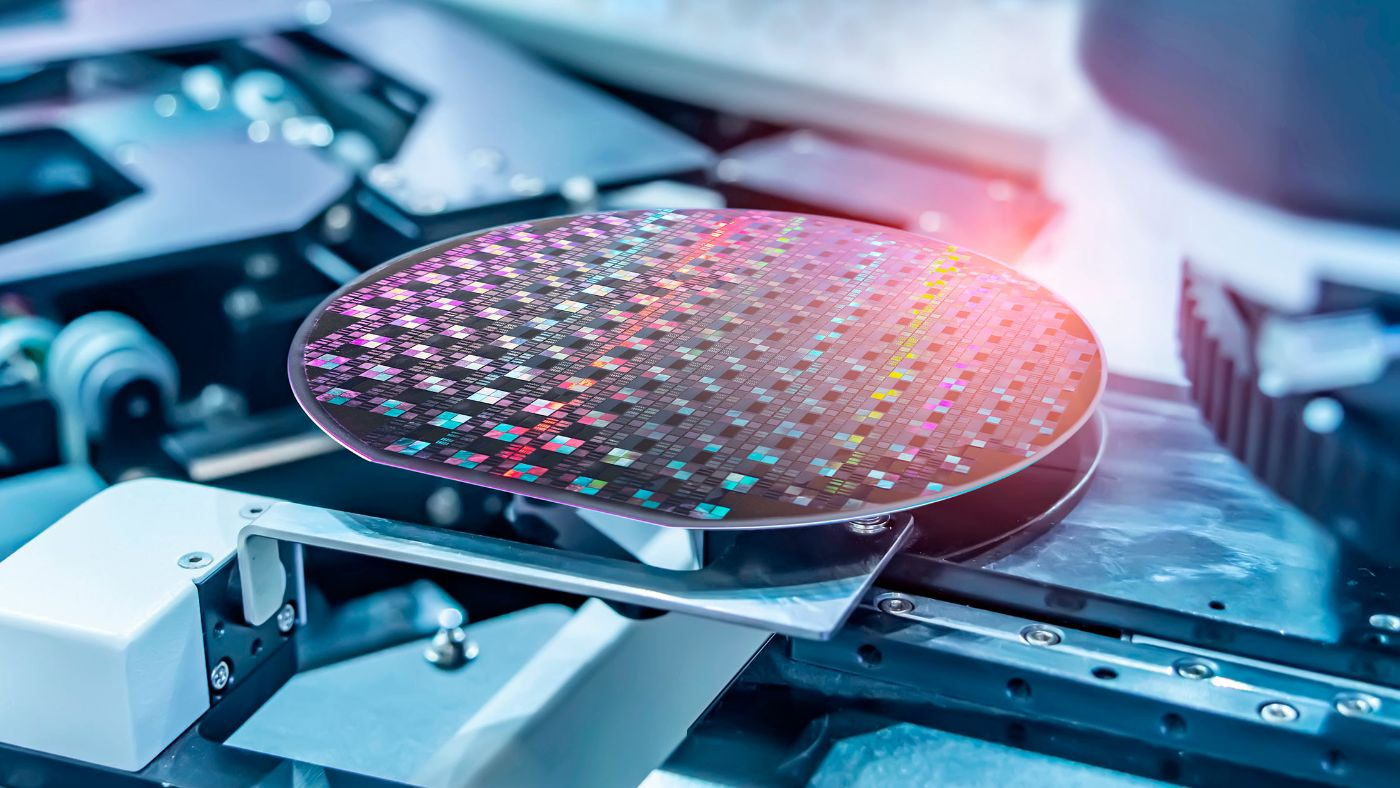
If you’re trying to get your fab toward carbon neutrality, you have to look at your thermal budget. The old way—using resistive furnaces—is basically like heating your entire house just to warm up a single slice of pizza. It’s a waste. That’s why we’ve moved to short-wave IR heating lamps. Instead of heating the whole chamber, these lamps hit the wafer surface directly. Simple. Efficient.
The Magic of Rapid Thermal Processing
These IR lamps pack a punch. We use halogen filaments inside quartz envelopes that can scream up to 1,000°C in a matter of seconds. It’s fast. Really fast. And that changes everything. You aren’t sitting around waiting for long soak times, which means you get your wafers through the line quicker and your carbon footprint shrinks. We also make sure the lamps match the absorption spectrum of your specific wafer material. If you don’t, the energy just bounces off the surface, and you’re back to wasting power.
Keeping a Close Eye on Things
An IR lamp is only as good as the eyes watching it. If you aren’t careful, you’ll either under-heat the wafer or, worse, burn it to a crisp. To stop that from happening, we plug in high-speed pyrometers. These sensors “watch” the thermal radiation in real-time and talk to a PID controller. The system makes tiny adjustments every few milliseconds. It’s a tight loop that keeps the temperature from overshooting the mark.
The Real-World Trade-offs
Now, it’s not all sunshine. High-wattage IR systems put a serious strain on your power grid. You needclean power. If your power flickers, you’ll get temperature ripples across the wafer, and that’s a nightmare for quality control. Then there’s the heat. Because the energy density is so high, your cooling jackets have to be spot on. If your chilled water loop decides to quit, those lamp housings will overheat and fry themselves in no time. But here’s the good news: we designed these tools to be “drop-in.” When a lamp finally hits its limit and dies, you just swap it out. No need to tear down the whole tool or spend a weekend rebuilding everything. You keep the line moving, keep your energy bills down, and keep those green certifications happy.