
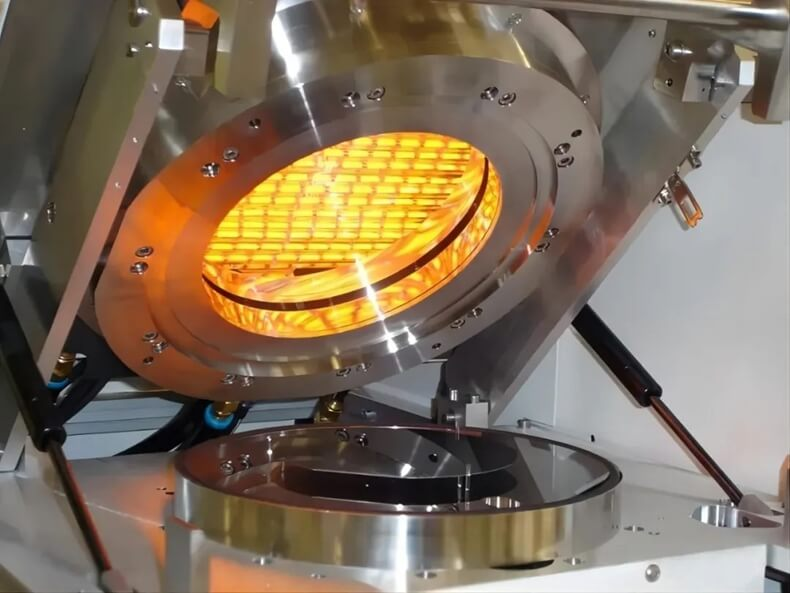
Stopping the Nightmare of Lamp Bursts in Wafer Curing
If you’ve run high-load production cycles, you know the stress. Those infrared lamps take a beating. And when one finally gives up and bursts? It’s a disaster. Glass shards and chemical gunk fly everywhere, contaminating your wafers and killing your yield instantly. It’s a mess that nobody wants to deal with. We figured out a way to stop that. We added a dedicated reflector housing that does two things at once: it boosts your optical power and acts as a physical shield.
How it actually works
We use high-purity aluminum with a specific anodic coating. Now, this isn’t just about bouncing IR energy back toward the wafer. It’s about building a wall between the quartz envelope and your workpiece. If a lamp shatters from thermal shock, the housing catches the debris. Most of the mess stays trapped inside the reflector. This means you aren’t looking at a total line shutdown for a deep clean every time a bulb pops.
The heat factor (and the catch)
These reflectors are built for high-wattage density. By tweaking the focal point, we make sure the heat hits the wafer, not the machine frame. But here’s the thing: there’s a trade-off. A tighter focal point means more intense heat. If your cooling fans are weak, the reflector itself can get too hot, which eventually wears down the coating. It’s a simple fix, but you have to be on it. Keep an eye on the surface for oxidation every 2,000 hours. Just a quick check to make sure everything is still crisp.
Getting it installed
We made these as drop-in replacements. You don’t have to redesign your entire machine layout or move your equipment around just to fit them in. The reflector clips right around the lamp. If the tube fails catastrophically, the contamination stays localized. It makes the swap-out process way less stressful. You just pull the dead lamp and the reflector unit together, clear out the shards, and wire up a new set. You’re back in business without risking the rest of your batch.