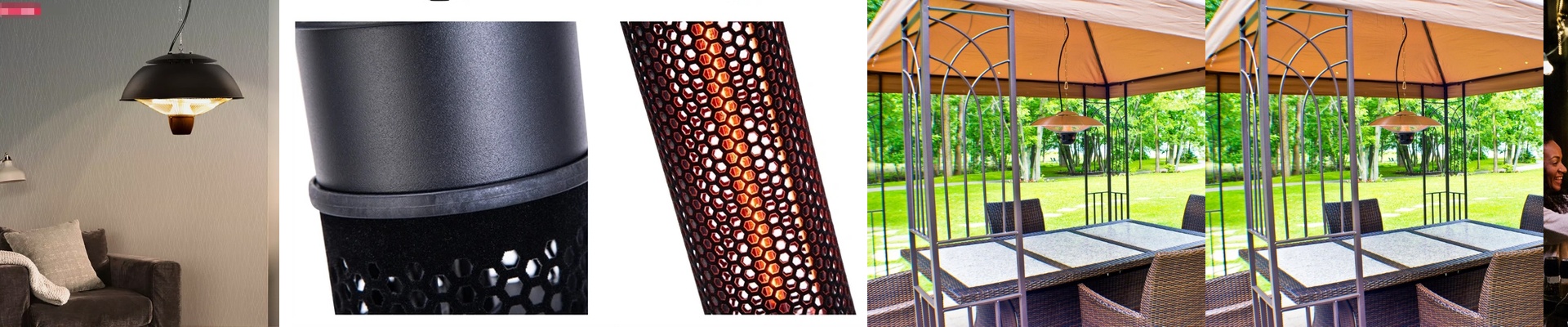

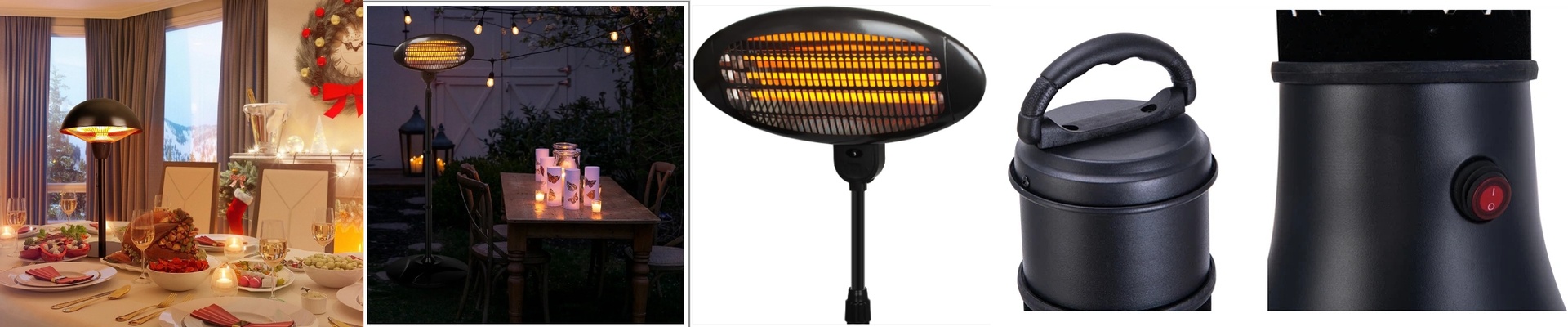
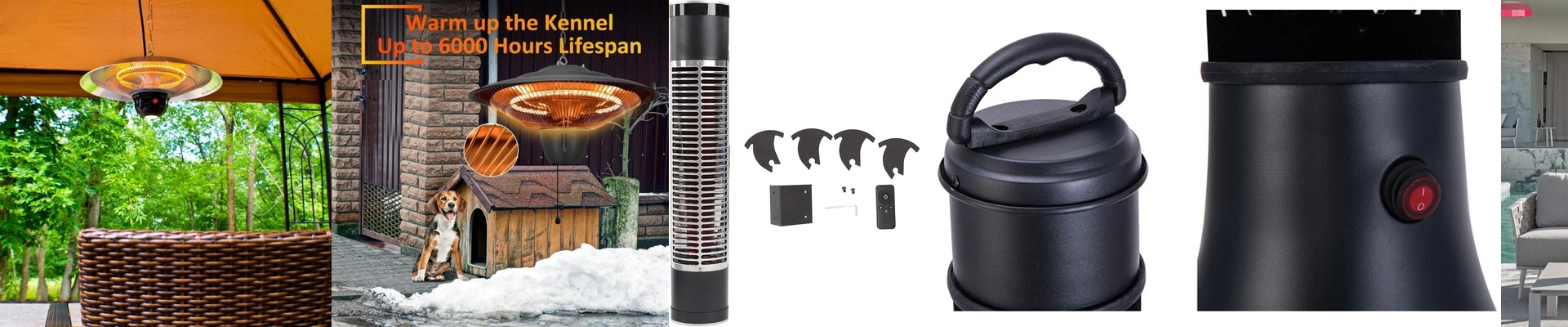
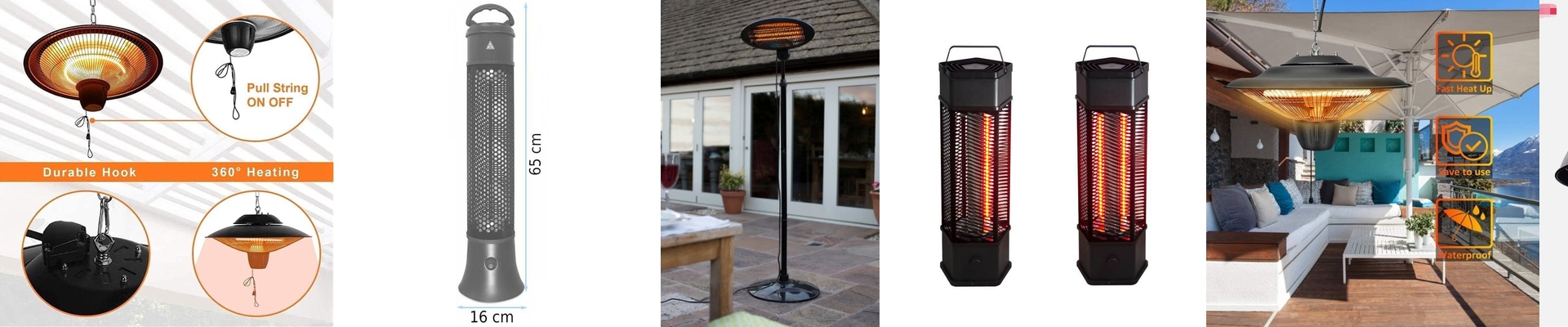
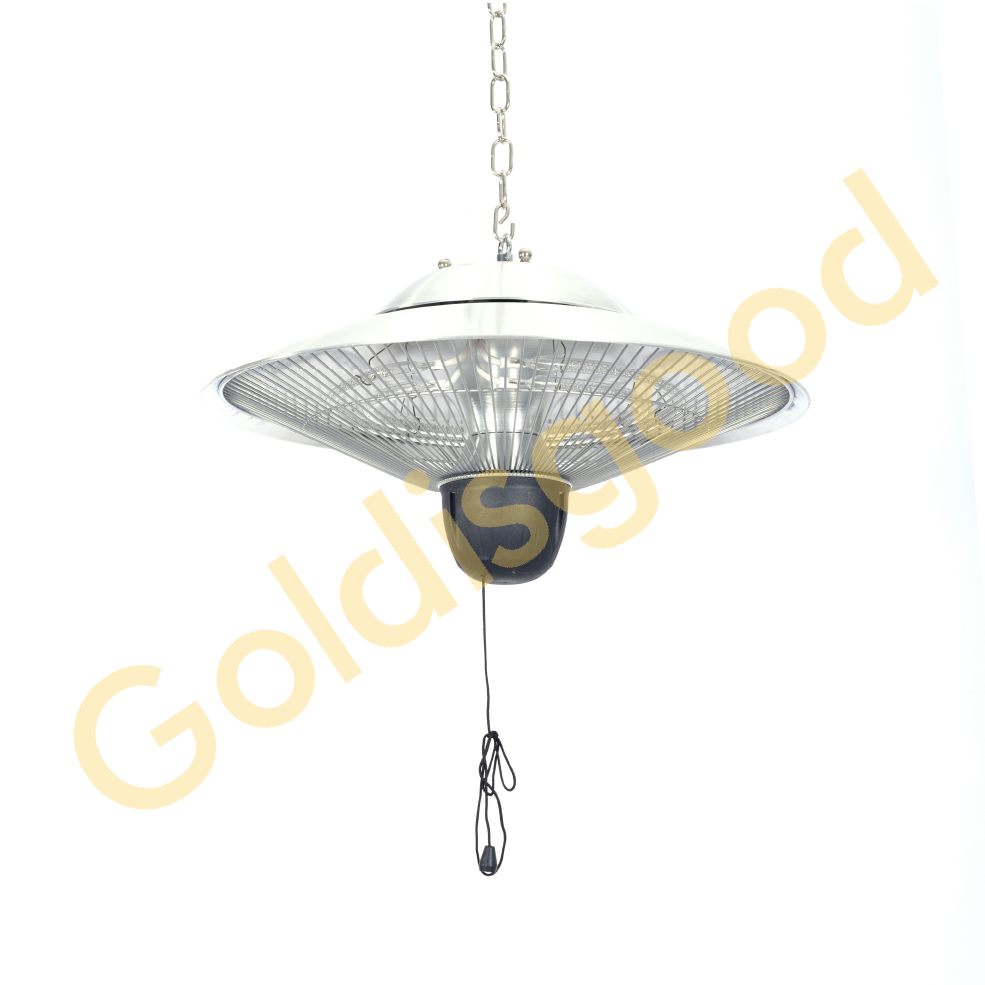
In a small cabin or off-grid room, that kerosene smell isn’t just off-putting—it makes the air feel heavy, dry, and tough on the lungs. You get soot on everything, and combustion moisture hangs around. You switch to an electric infrared heater because you want warmth without the mess and the trade-offs.
What matters, technically
Infrared electric heaters work by radiation—warming people and objects directly instead of heating the air first. So you feel comfortable faster, and the air stays cleaner because there’s no open flame and no combustion byproducts. A low-wattage model—typically between 400W and 1,500W—draws less current than bigger space heaters. That means it can run quietly off a standard outlet without tripping breakers. The heating element is usually a quartz tube or a carbon fiber strip, chosen for quick warm-up and steady output. Many units include a thermostat to keep comfort consistent, plus basic safety like tip-over protection.
Why it fits this kind of space
In remote places where ventilation is limited, kerosene stoves can drag down indoor air quality. Infrared electric heaters sidestep that by running clean. You still get that direct, cozy warmth, but the air feels fresher and surfaces stay soot-free. Because the heat is directional, you can put the heater where you need it most—near a reading chair, beside a workbench, or close to the dining table—without wrecking overall temperature stability. Lower wattage also keeps energy use in check, which matters when your power comes from limited solar, a generator, or a modest grid plan.
The things you actually need to watch for
Infrared warmth only works when it can reach you. Keep the unit unobstructed and aim it at the spot where you sit. If you want whole-room comfort, pair a low-wattage infrared heater with gentle air movement to help distribute the warmth. And plan your outlet: a dedicated circuit prevents nuisance tripping. These heaters are built for indoor use. If you need outdoor heating, pick a model rated for outdoor conditions and position it so moisture can’t work its way in.