
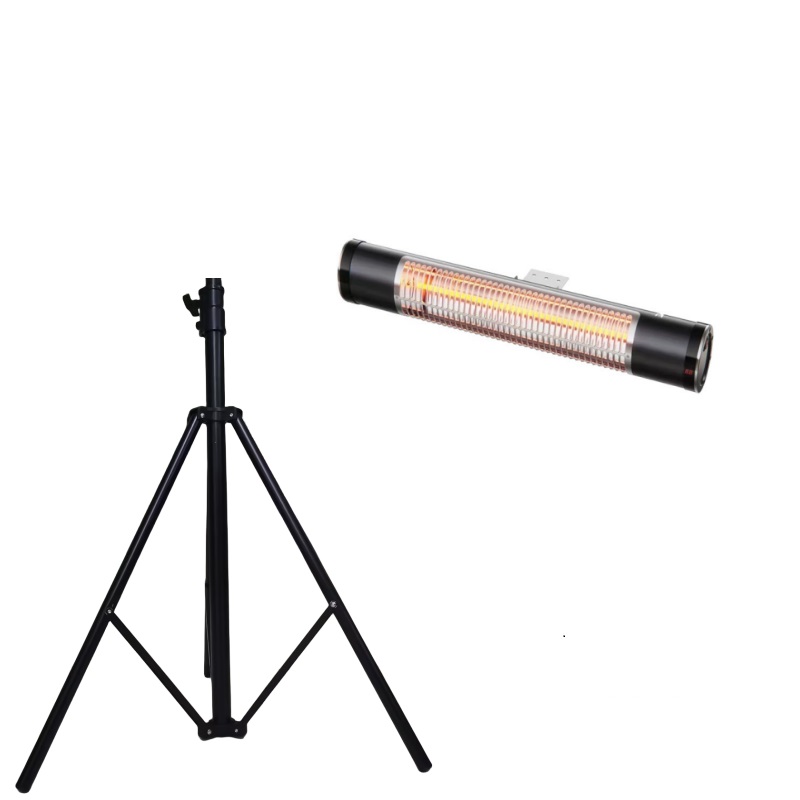
Making Your Home Smarter with Infrared Heat
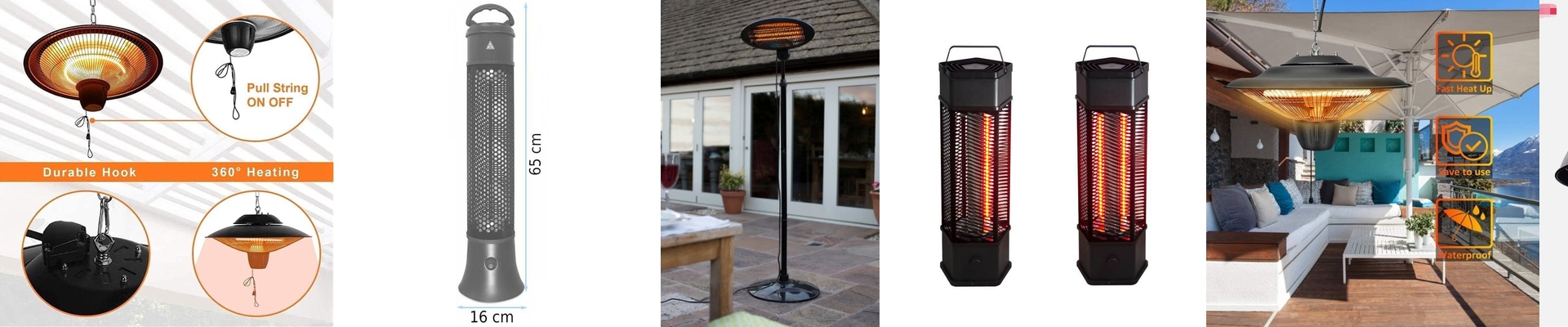
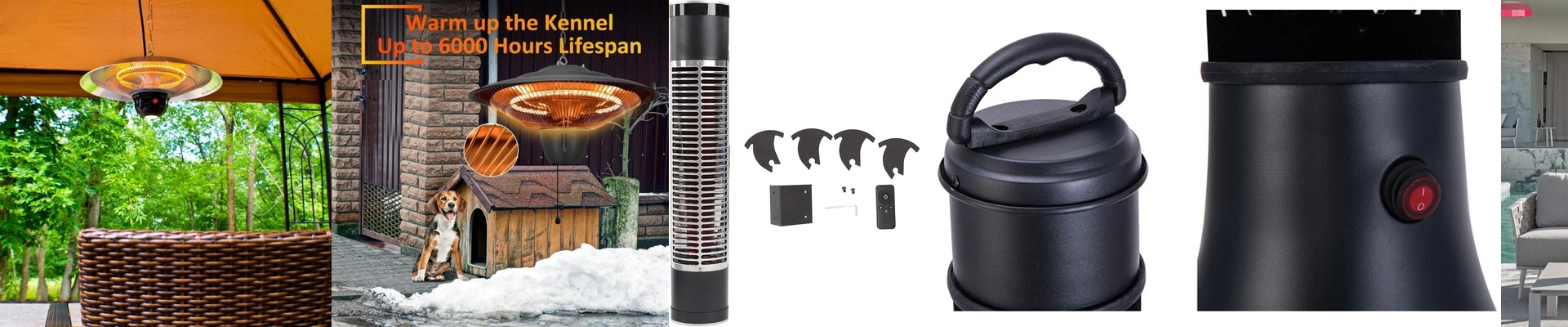
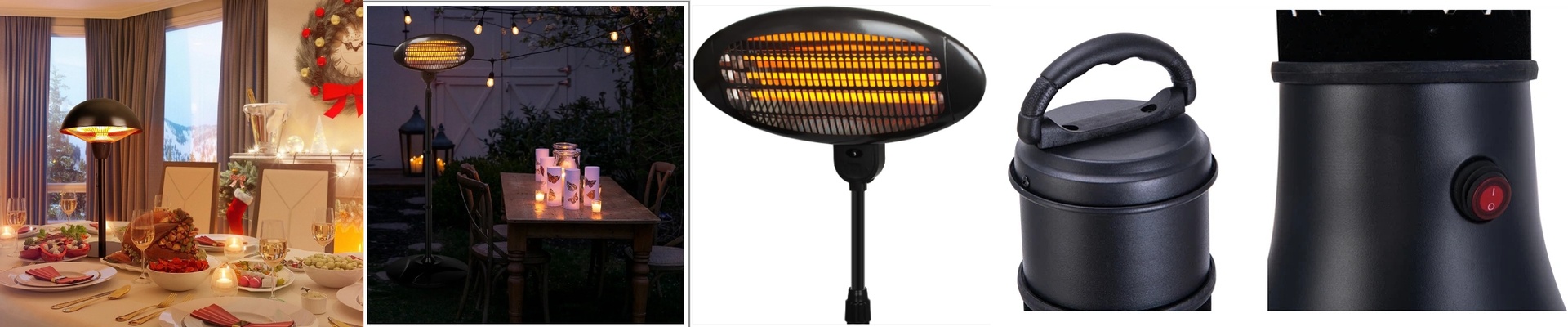
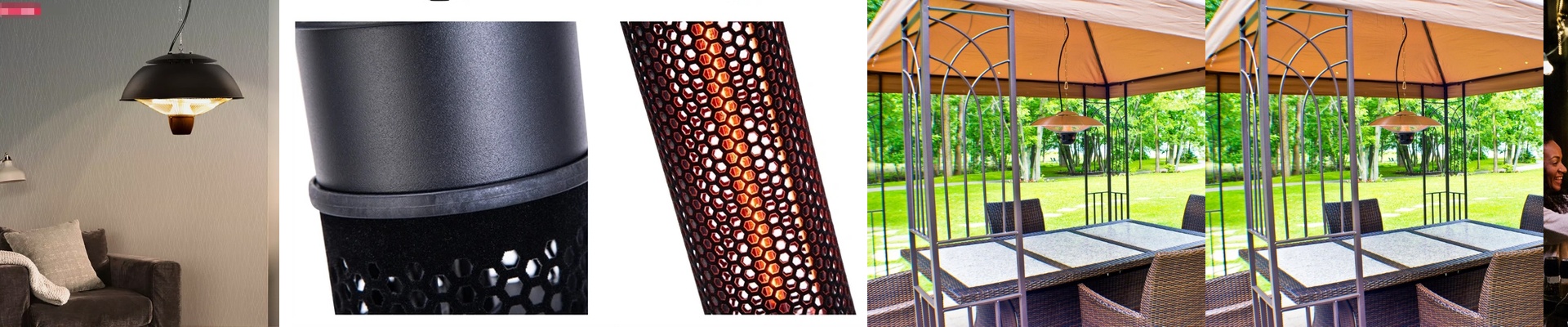
Most heaters just blow hot air around the room. You wait and wait, and the air gets warm, but you’re still shivering. Infrared is different. It warms you and your furniture directly. It’s more like sitting in the sun on a chilly day. When you hook this up to a smart home system, the real magic is getting rid of that annoying wait time. The “Instant” Factor Here is the cool part: IR elements—the quartz or carbon tubes—get hot almost the second they get power. If you use a hub with something like Zigbee or Matter, you can set it up so the heat hits you the moment you walk through the door. No more cranking the thermostat and waiting twenty minutes for the room to feel cozy. It’s just… there. We call it “instant spring” because it feels like the season changed in a heartbeat. The Nitty-Gritty Setup Now, you can’t just plug this into any old smart plug. If you’re running a heavy-duty 2kW heater, you need a high-current smart relay. If you go too cheap here, the power surge can actually weld the contacts shut, and then you’ve got a real problem. For those who want it perfect, I like using PID controllers. Instead of just clicking “on” and “off,” these talk to your sensors to nudge the power up or down. It keeps the room at a steady, comfortable glow rather than swinging between freezing and roasting. A Few Things to Watch Out For It’s not all plug-and-play. High-wattage heaters can be “noisy” electrically. If you run your low-voltage sensor wires right next to the heavy power lines, you’ll get “ghost triggers”—your heater turning on for no reason. The fix is simple: use shielded cabling. It keeps the signals clean. And yeah, there’s a tiny bit of lag between your app and the heater. Maybe half a second. If you’re at home, you won’t even notice. But if you’re setting this up for a high-precision factory floor, that split second actually matters. For the rest of us? It’s a non-issue.