Making Your Patio Actually Warm (Without the Hassle)
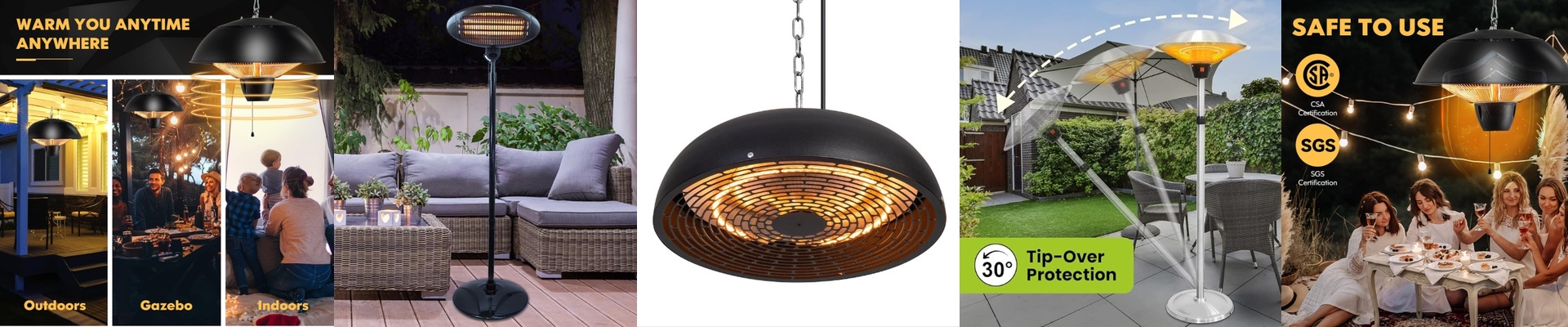
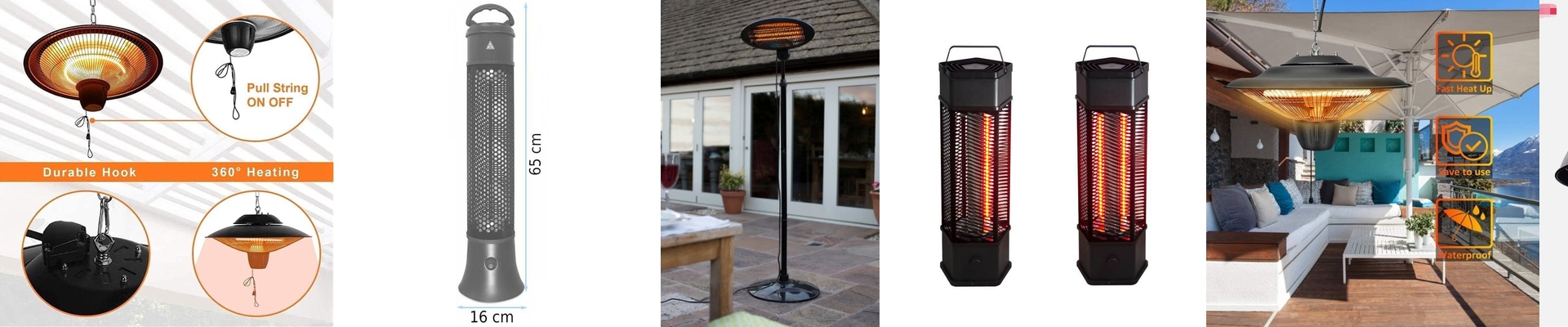
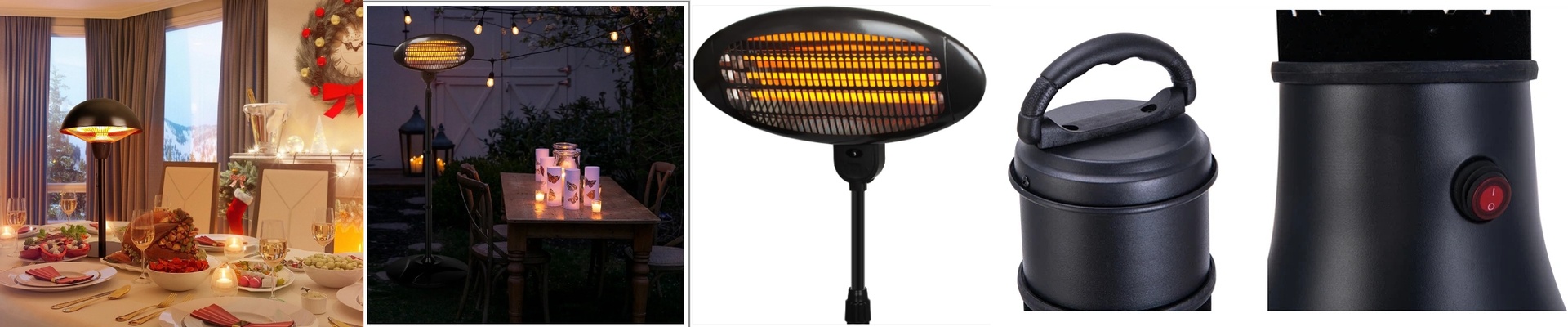
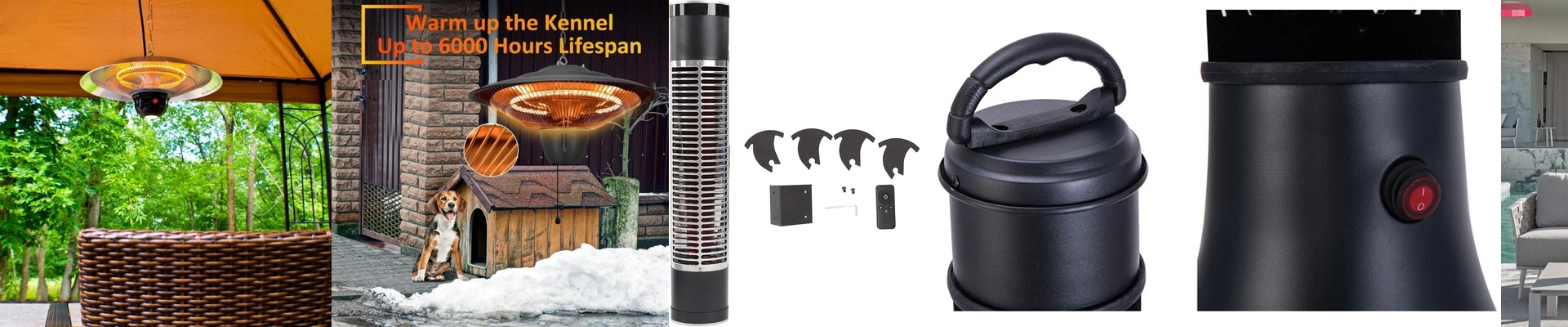
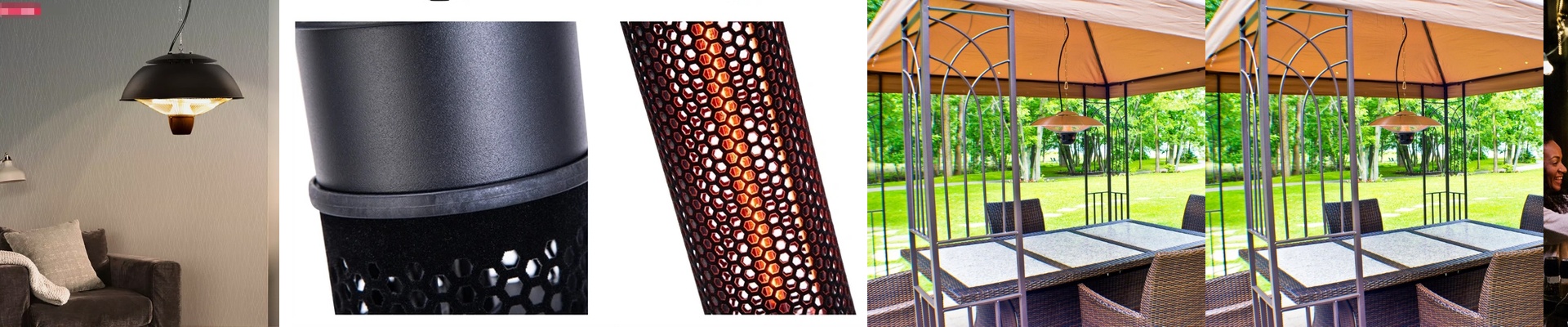
Ever tried using a standard space heater outside? It’s frustrating. You’re basically trying to heat the entire outdoors, and the wind just carries the warmth away before it even hits you. That’s why we went with shortwave infrared for our bar heaters. Instead of fighting the air, these units send heat directly to your skin and clothes. It feels like stepping into a patch of sunlight on a crisp spring day, even if it’s freezing out. It happens instantly. No waiting around for the “air” to warm up.
Making it “Smart” (The Right Way)
We wanted a way to turn these on without hunting for a switch in the dark. So, we connected the power relays to smart home hubs using Zigbee and Matter. But it’s more than just a remote control. We’ve set it up so the system actually thinks. It checks the outdoor temperature and tweaks the power output on the fly. That way, you don’t end up accidentally roasting your guests just because the evening got a little milder. And since this is for outdoors, we didn’t cut corners on the build. We used IP65-rated enclosures. Why? Because rain and heavy dew are brutal on electronics. Without that heavy-duty waterproofing, your smart relays would probably corrode and die before the first season was even over.
A Quick Warning on Power
Here is the catch: instant heat takes a lot of juice. These units usually pull between 1500W and 3000W. If you just plug four or five of these into one circuit, you’re going to trip your breaker. It’s a pain. Before you install a bunch of these, definitely check your electrical panel to make sure it can handle the load when everything kicks in at once.
Getting the Layout Right
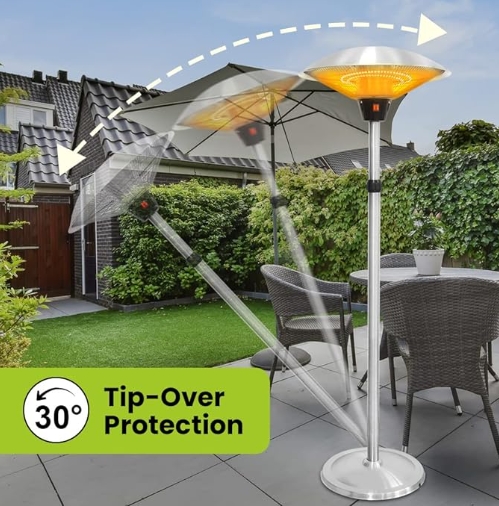
The magic of halogen and carbon fiber elements is that they hit peak temperature in seconds. You can even set a timer on your app so the patio is cozy by the time your friends walk through the door. One thing to keep in mind, though: infrared works like a flashlight. It’s a straight line. If there’s a pillar or a wall in the way, that spot is going to stay cold. When you’re planning where to mount them, look at where people actually sit. Map it out so the heat hits the chairs, not the fence.