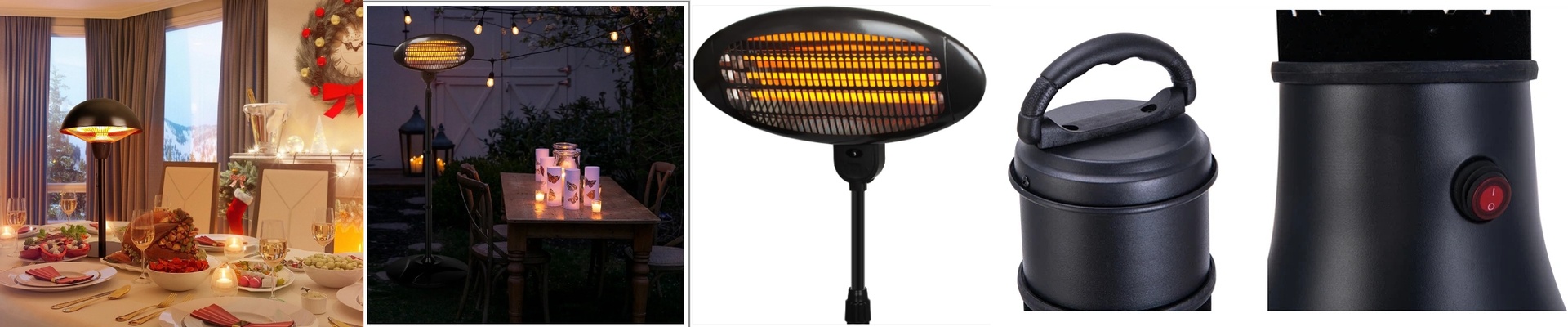
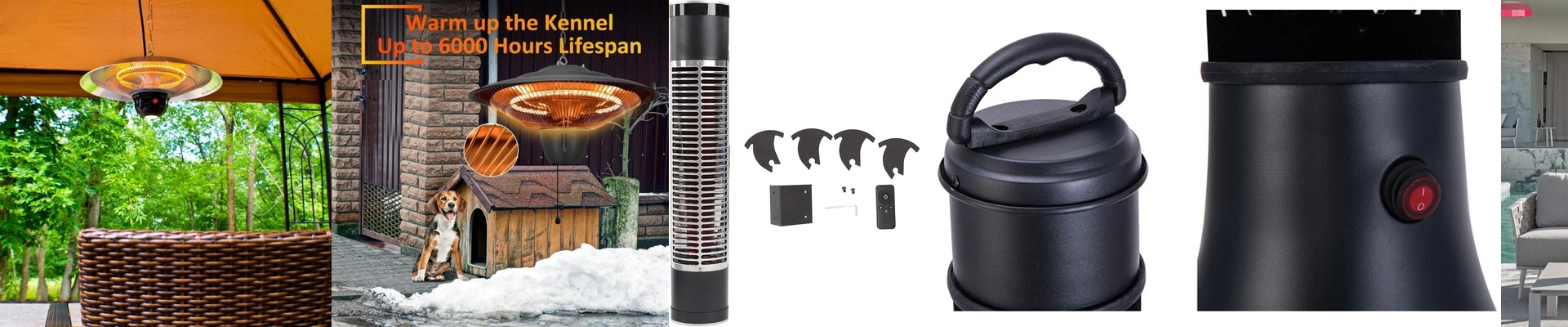

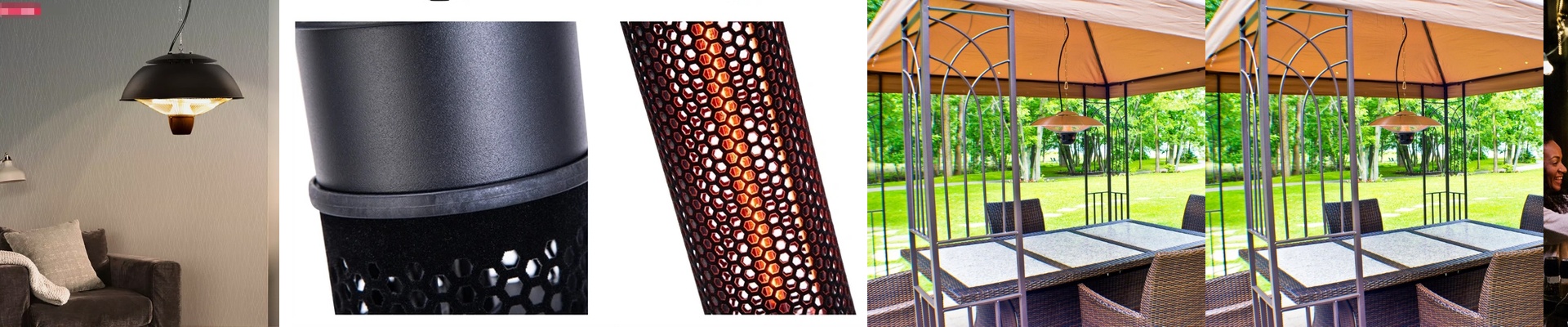
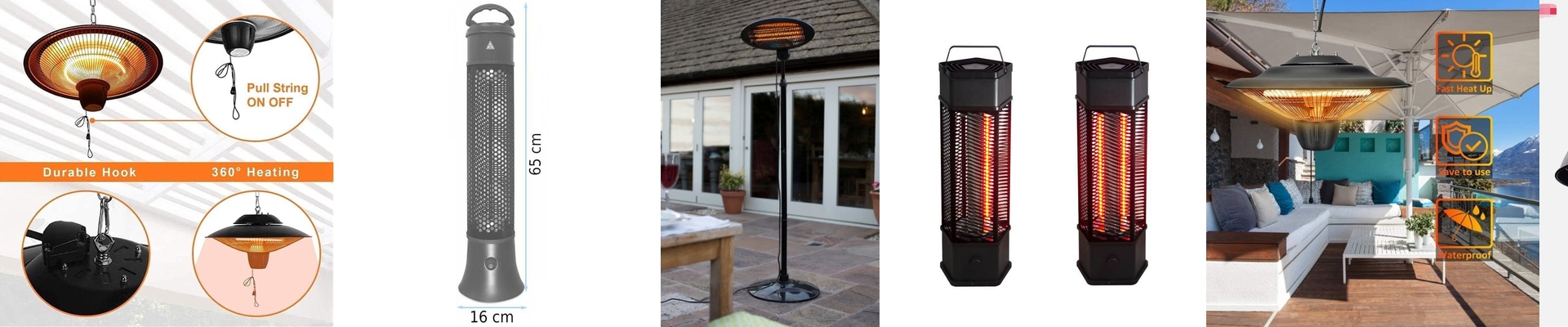
Introduction
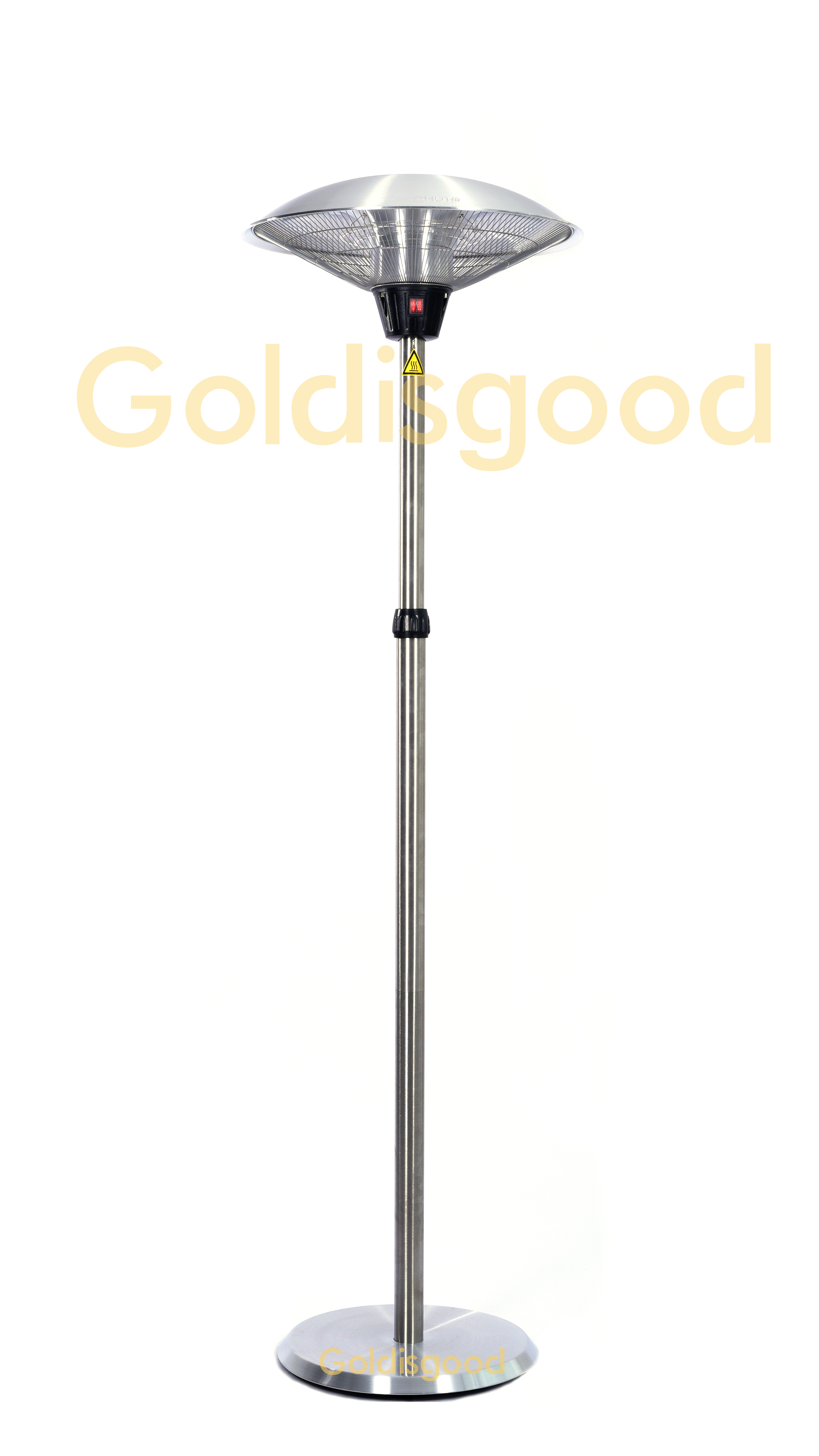
We built this infrared heater for one reason: to turn frozen, miserable outdoor spots into places you can actually work. Fast. Like, instantly. Think loading bays, outdoor changing rooms, sheltered entrances where wind and cold just shut things down. We wanted heat that hits hard and hits right away—no waiting around for air systems to kick in.
How It Actually Works
Here’s the thing: this heater doesn’t waste time warming the air. It sends infrared heat straight to people, clothes, and surfaces—so you feel warmth immediately. That means in drafty, open areas, you get relief fast. People get back to work instead of standing around shivering. And the IP65 rating? That’s not marketing. It means the unit is truly dust-tight and can take water jets from any direction. Rain, hosing down the area, even that damp coastal air—this heater is built to live there. We also designed it for the real electrical conditions on a job site. It’s high-voltage, high-output, and packs serious heat into a small footprint. Perfect when you need a lot of warmth but don’t have space to spare.
What’s Inside
Inside, the emitter runs on a quartz tube. Why? Because it heats up quickly and handles thermal shock without breaking a sweat. The halogen element keeps the infrared output steady and focused. So the heat goes where you point it—not scattered into the air. The R7s connector is there for one simple reason: industrial wiring. It gives you a secure, reliable connection that holds up to vibration and constant heating and cooling. In a plant, that reliability matters. And the whole unit is sealed up tight. The IP65 housing and gasket strategy keep moisture out, so you don’t get premature failures. It’s built to take a beating and keep going.
Where It Shines (And What To Watch For)
If you’ve ever worked an early shift in an outdoor changing room or a sheltered workstation that feels like a walk-in freezer, you know what this heater does. It cuts through the cold fast. Installation is simple: mount it, wire it, aim it. The directional output lets you hit the exact spot you need, so you don’t waste heat. But there’s one thing to keep in mind: the output is intense. Plan your mounting distance and make sure there’s ventilation so you don’t overheat the area. Get the size right, control the beam, and you’ve got quick heat, low maintenance, and dependable performance—even when the weather is doing its worst.