

Why We’re Ditching Forced Air for IR Heating in Wafer Processing
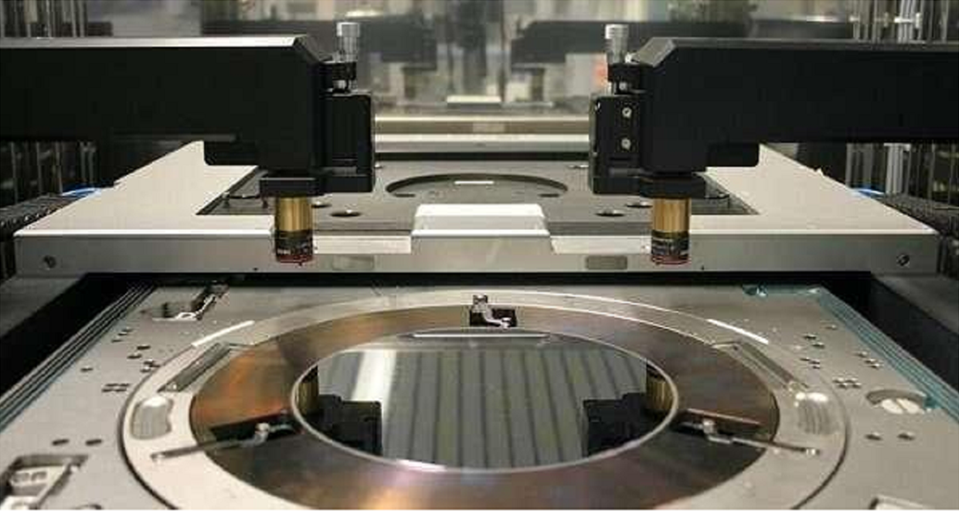
If you’ve spent any time in semiconductor processing, you know the frustration of waiting. Specifically, waiting for a wafer to hit the right temperature using hot air. Here is the problem: forced air is just slow. You’re basically blowing hot gas around and hoping it transfers to the wafer efficiently. It creates this annoying thermal lag that eats into your day. Then there’s IR heating. Instead of messing around with the air, IR uses electromagnetic radiation to hit the wafer directly. It’s like the difference between trying to warm your hands by waving them in a warm breeze versus standing right in front of a campfire. The speed is where things get interesting. Air is a terrible conductor. When you use a fan, you have to wait for the air to heat up, and then wait for that heat to actually soak into the wafer. With IR lamps, the energy hits the surface almost instantly. We’re talking about cutting ramp-up times from minutes down to seconds. When you’re running a fab 24/7, those saved seconds add up fast. You get more wafers through the door without having to buy more floor space or add new machines. Plus, the control is way better. We use IR sensors to keep an eye on the temperature in real-time. Old-school thermocouples are clunky—they need physical contact and they’re slow to react. IR sensors just track the surface emissivity. If something looks off, you can tweak the power on the fly. This saves you from that dreaded “over-bake” where the edges of the wafer get scorched while the center is still lukewarm. But look, it isn’t just a “plug-and-play” switch. There’s a catch. IR heating packs a massive punch of heat density. That speed comes with intense, localized heat that can be brutal on your hardware. If your chassis or cooling manifolds aren’t up to the task, you’re asking for trouble. You could warp a wafer or fry your sensor housing if your cooling system is under-powered. You have to actually sit down and recalculate your thermal envelope before making the jump. Still, for high-volume lines, this is just how things are done now. You trade the simplicity of a fan for raw speed, and in this business, speed is everything.