

Why Most Bathroom Heaters Die (and How We Fixed Ours)
Let’s be honest: bathrooms are a nightmare for electronics. You’ve got steam everywhere, random splashes from the shower, and temperature swings that would make a thermostat dizzy. Most infrared heaters just can’t hack it. Moisture seeps into the casing, shorts out the wiring, or eats away at the heating elements until the whole thing just stops working. We didn’t want to build another disposable appliance, so we looked at why they actually fail.
Dealing with the “Steam Problem”
The biggest enemy is condensation. You know that annoying fog that clouds up the mirror? It does the same thing to a heater. When warm air hits a cold lens, it fogs up. That doesn’t just block the heat—it traps water right against the quartz tube, which is a recipe for disaster. To stop this, we used hydrophobic coatings on the lens and tight, sealed gaskets. It basically makes the water bead up and roll off. We also tweaked the housing. Instead of letting water pool around the electrical bits, the materials we chose actually channel droplets away from the power supply. Because if water hits the wiring, it’s game over. Simple as that.
Protecting the Heart of the Heater
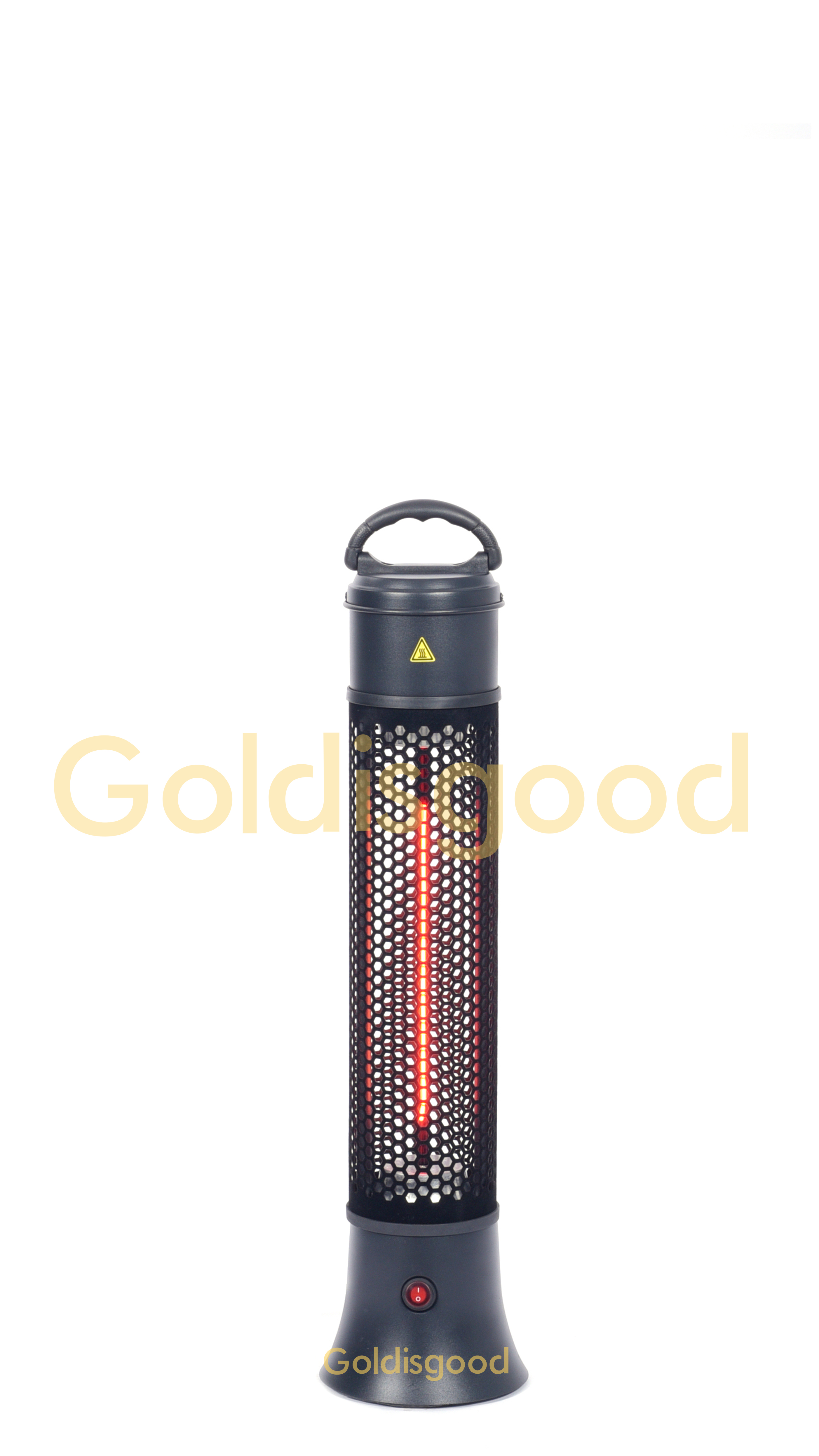
Inside, there’s a shortwave infrared quartz tube. These things are amazing at pumping out heat, but they’re surprisingly picky. Believe it or not, something as simple as a fingerprint or a bit of soap residue can create “hot spots.” Those spots cause the glass to stress and eventually crack. To prevent that, we added a protective shield. It keeps the splashes away but lets the heat pass right through to you. One quick tip: since these seals are so tight, the airflow is a bit different than an open-air heater. Just make sure your bathroom has a decent vent so the unit doesn’t get too toasty during a long session.
Built to Actually Last
At the end of the day, it comes down to isolation. By keeping the humid air away from the connectors, we stop the corrosion before it starts. You won’t have to deal with that annoying flickering or a tripped breaker six months after you install it. It’s not rocket science—it’s just about keeping the water out and the heat moving.