

Stop the Glass Rain: Keeping Your Wafers Safe from Tube Failure
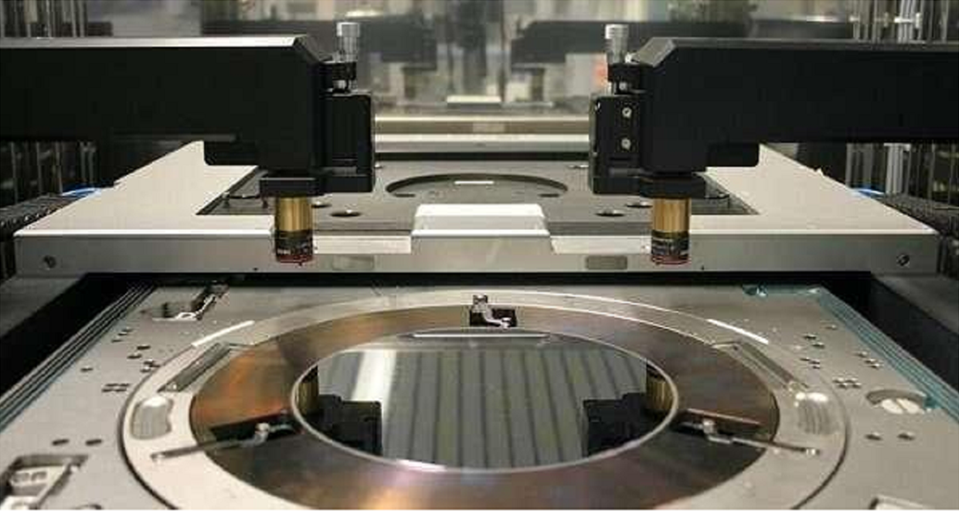
If you’ve ever had an infrared lamp pop in a high-load environment, you know it’s a nightmare. It isn’t just about the machine stopping. It’s the mess. When a quartz tube bursts over a silicon wafer, you’re not just dealing with a broken bulb. You’re dealing with shards and chemical residue everywhere. One pop and a whole batch of expensive wafers goes in the trash. That’s exactly why we built our clean room bench lamps the way we did. Why they break in the first place Usually, it comes down to thermal shock or a few nasty hotspots. To fight that, we use high-purity fused quartz. It can handle the rapid heating and cooling that comes with wafer baking without cracking under the pressure. But we didn’t stop there. We added a shatter-resistant sleeve and a special polymer coating. Think of it as a safety net. If the filament burns out or the glass gives way, the coating keeps the fragments locked in place. No glass rain. No ruined workspace. The balancing act: Power vs. Lifespan Here’s the thing about wattage and voltage: it’s a trade-off. Sure, you can over-drive the filament to get faster ramp-up times. But that extra heat density kills the lamp faster and makes a blowout way more likely. It’s a gamble. We suggest staying within 5% of the rated voltage. It’s the sweet spot where you get the throughput you need without spending your entire week replacing bulbs. Getting it right during setup The little things matter. We use secure-fit connectors because loose connections cause arcing. That creates heat right at the terminals, which weakens the quartz seal. When you’re wiring these up, just double-check your mounting brackets. If they’re pulling or pushing on the tube ends, you’re just asking for a crack. We kept the whole design clean. No materials that off-gas, no shedding particles. Just a steady, reliable heat source that lets you focus on your wafers instead of worrying about your equipment.