

Why we obsess over dielectric testing for our ozone-free IR lamps
Ozone-free infrared lamps are great because they cut out that 185nm wavelength that messes with oxygen. It’s a win for safety and the environment. But here’s the thing: while the light is cleaner, the electrical side of things is still where the real danger hides, especially when you’re dealing with high-wattage industrial heat.
We test every single tube. No exceptions.
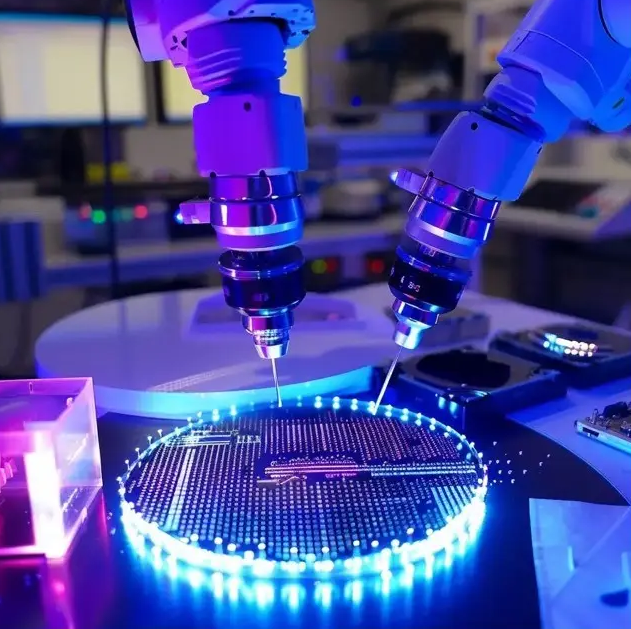
Some shops just test a few samples from a batch and hope for the best. We don’t do that. Every single tube that leaves our floor goes through a full insulation and dielectric withstand test. Why? Because in a high-voltage setup, a tiny, invisible crack in the quartz or a smudge of contamination on a seal can cause an arc-over. When a lamp fails like that, it doesn’t just “pop” and go dark. It can fry your power supply or take down your entire heating bank. It’s a nightmare you don’t want to deal with. We push the insulation to the limit. We want to be absolutely sure the current stays exactly where it belongs—inside the filament—and doesn’t leak into the housing or your machine frame.
The balancing act: Heat vs. Power
To get that ozone-free output, we have to use specific quartz mixes or coatings. These materials have to survive wild swings in temperature without the electrical seals breaking down. It’s a bit of a trade-off. You get the clean output, but the lamp’s physical build has to be a perfect match for your voltage. If you’re running a dense array of lamps and the insulation resistance varies even a little bit between them, you’ll end up with uneven heating. Then, your filaments start failing way sooner than they should.
Making it work in your shop
When you’re wiring these into your gear, you need peace of mind. You need to know that dropping in a replacement lamp isn’t going to trigger a ground fault and shut everything down. Our testing handles that part. One quick tip, though: the lamp is electrically solid, but it still puts out a massive amount of heat. Make sure your reflectors and cooling fans are up to the task. If they can’t handle the thermal load, it’ll eventually stress the seals, and that’s where the trouble starts.