
Getting the Heat Right in Biosensor Fabrication
When you’re building biosensors, heat is a tricky beast. You need enough of it to cure polymers or get your substrates moving, but you can’t just blast everything in the room. If the heat wanders, you end up turning the inside of an expensive semiconductor machine into a giant oven—which is a nightmare for the people actually operating the equipment. That’s why we stick with directional infrared (IR) lamps.
Stop wasting your heat
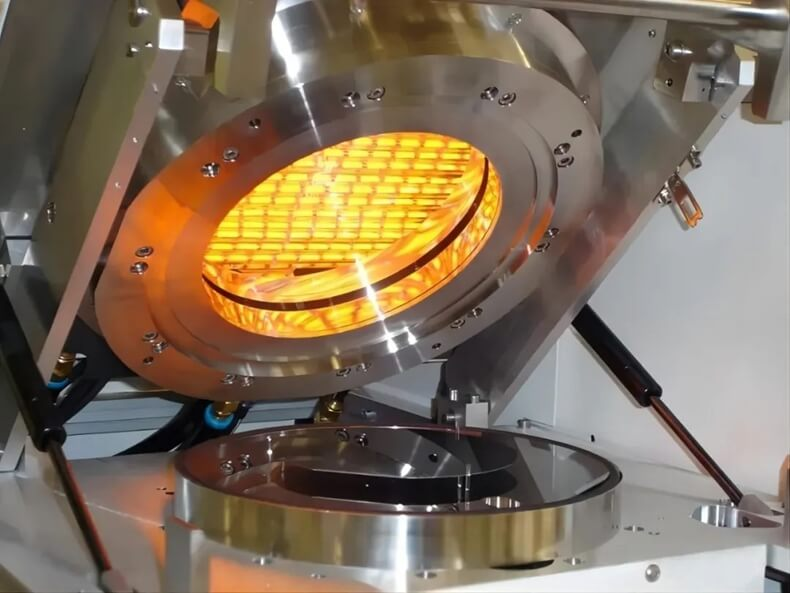
Most heaters just throw energy in every direction. It’s messy. You waste power, and your machine casing gets hot enough to burn someone. We do things differently. By using short-wave IR lamps paired with reflective housings, we can basically “aim” the beam. The heat goes exactly where it needs to go: straight onto the biosensor substrate. Because the heat isn’t splashing everywhere, the outer walls of the machine stay cool. It’s safer for the operator, and it just makes more sense.
The trade-off: Power vs. Burnout
To get those fast ramp-up times for layering, you need a lot of wattage packed into a tiny space. We spec these lamps for high power density because that’s the only way to trigger those chemical reactions quickly. But here is the catch. When you push that much energy, things can go south fast. If your reflector gets dirty or your airflow is blocked, the lamp can overheat and burn out. It’s a fragile balance. My best advice? Get a strict cleaning schedule for those reflectors. Keep them spotless, or you’ll lose your beam direction and your hardware.
Fitting it all in
Space is always at a premium in a semiconductor setup. Because our IR emitters are so focused, we don’t have to slap bulky insulation all over the inner walls. This lets us keep the whole machine compact. One last thing: watch your wiring. You’ll want to tune your PID controllers specifically for the fast response of short-wave IR. If the loop is too slow, the temperature will overshoot the mark. And in this business, overshooting the temperature usually means you’ve just ruined your substrate.