
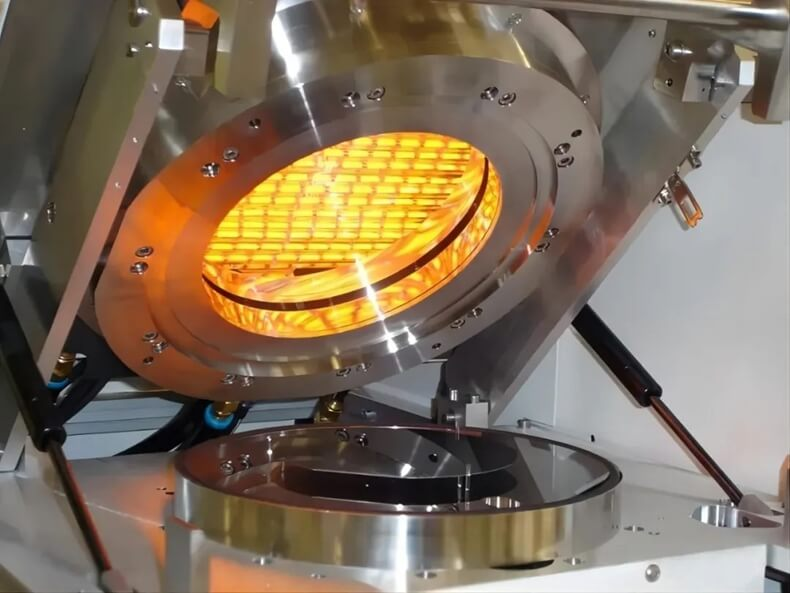
Keeping Things Hot (And Safe) in Volatile Environments
If you’re heating a glovebox full of flammable cleaning solvents, a basic quartz lamp is a recipe for disaster. One stray spark or a single hot spot on a lead, and you’re not just dealing with a technical failure—you’re dealing with an explosion. It’s a scary thought, which is why we don’t take shortcuts with how we build our IR heaters. Stopping the spark before it starts Most IR lamps have exposed electrodes and seals that can leak or arc. In a hazardous zone, that’s a non-starter. We wrap the entire element in a rugged, explosion-proof jacket. It acts as a shield, keeping those volatile vapors far away from the heating filament. Depending on what solvents you’re running, we use high-grade quartz or ceramic. If your chemicals are particularly nasty and corrosive, a simple coating isn’t enough. You need a full hermetic seal. Period. The balancing act: Heat vs. Stress Getting your process up to temperature quickly is great, but there’s a catch. Pushing too much power too fast puts a massive amount of stress on the seals. It’s a delicate balance. We tweak the wattage and voltage so the lamp doesn’t just pop from thermal expansion. One more thing: double-check your glovebox ventilation. If your airflow can’t handle the heat load, you’ll end up with a heat trap, and that’s where things get unpredictable. Getting it installed without the headache Loose wiring is a nightmare, especially in industrial shops where things are constantly vibrating. To fix that, we use reinforced connectors. We designed these as drop-in replacements. You swap them out, and you’re back in business with almost zero downtime. Just a heads-up: your power supply has to match the element’s voltage exactly. If it’s off, you’ll either get lukewarm results or a blown filament within a few hours. Also, give the seal a quick once-over when you wire it up. If there’s even a tiny crack in that encapsulation, the safety rating is gone.