
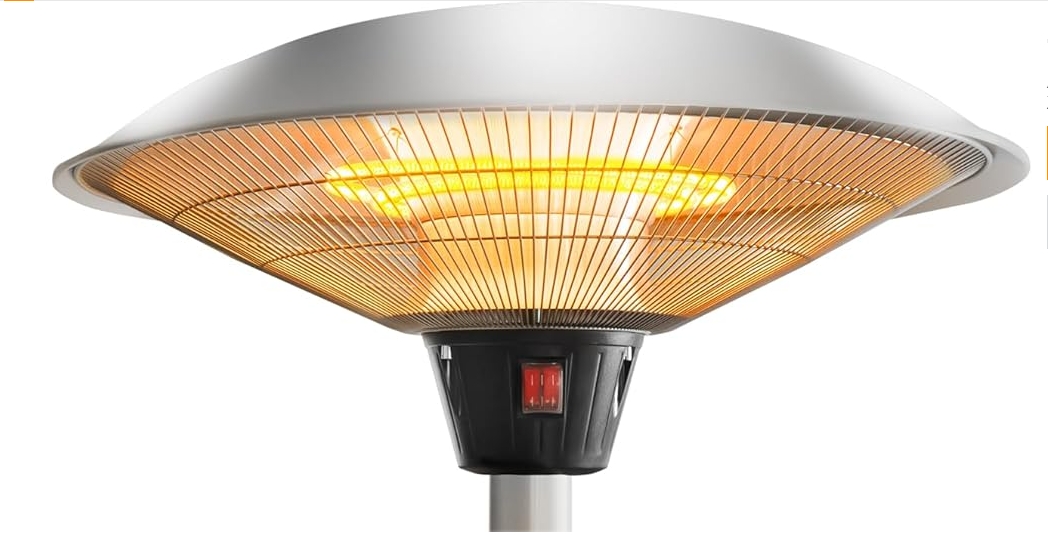
Why we build our bathroom heaters to be taken apart
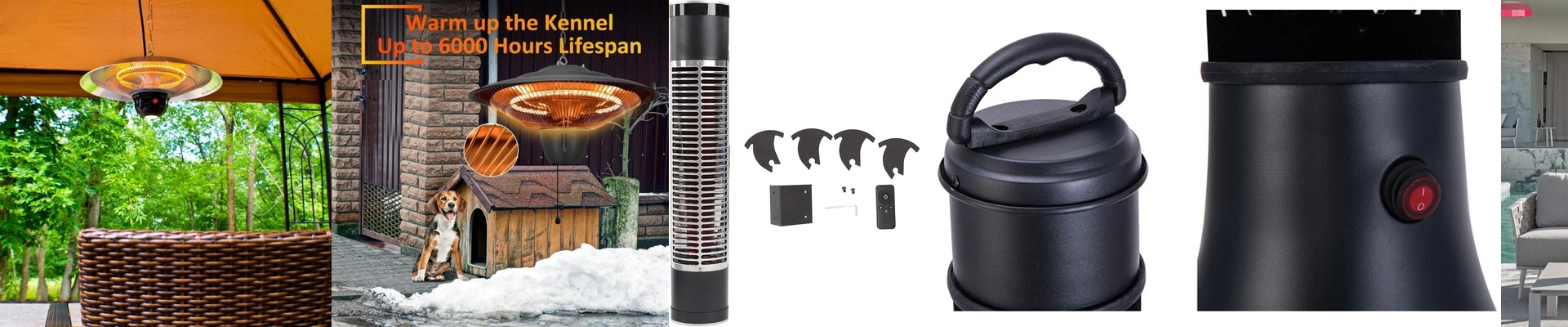
Let’s be honest: bathrooms are a nightmare for electronics. Between the steam from the shower and the constant temperature swings, it’s basically a torture chamber for heating elements. Infrared tubes take a beating in those conditions, and eventually, they’re going to wear out. Usually, that’s where the story ends. Most heaters on the market have their elements soldered or hard-wired right into the frame. So, when one tube pops after a few years, you’re stuck. You can’t just fix it; you have to rip the whole fixture off the wall and buy a brand new one. That feels like a waste of money. We decided to do things differently. Instead of a permanent build, we use a “plug-and-play” setup. The heating elements live in their own little cassettes with standard connectors. If a tube dies, you don’t have to dismantle your wall or mess with the main electrical wiring. You just swap the dead part for a fresh one in a few minutes. Here is the trade-off. To make this work, the heater has to be a bit bulkier. We need extra room for the removable cassettes and the locking clips that hold everything in place. It takes up a little more space on your wall, but in exchange, your heater can basically last forever. We use short-wave infrared because it heats up instantly—no waiting around in a cold bathroom. The downside is that this high intensity puts a lot of stress on the quartz glass, and moisture can eventually creep into the seals. By making the element modular, we’ve moved the “breaking point” away from the expensive housing and put it into a cheap, replaceable part. When it’s time for a fix, it’s simple: pop the locking tabs, pull out the old module, and slide in a new one.No soldering. No electricians. No headache. Just a quick tip: make sure your replacement tube matches the original wattage so you don’t put too much stress on the internal wiring. That’s it. You’re back to a warm bathroom without the drama of a full renovation.