
Cutting Waste in Semi-Fab: The Truth About IR Heating
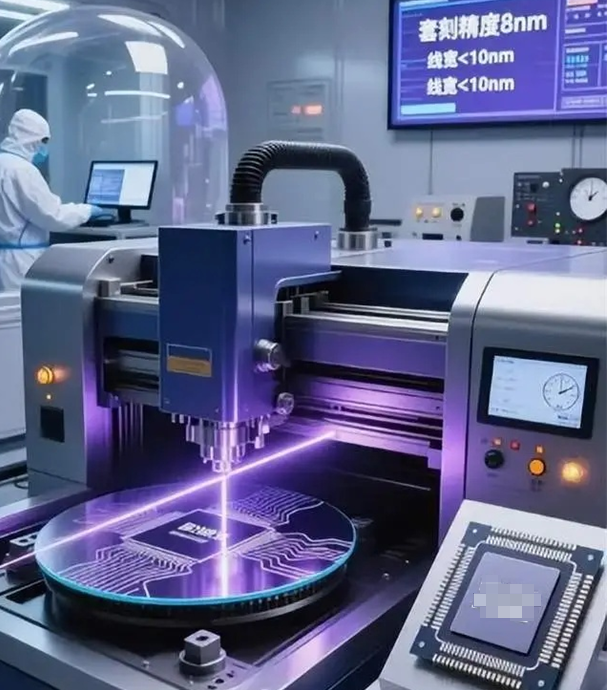
If we’re actually going to hit those carbon neutrality goals in semiconductor plants, we have to stop wasting so much energy during the thermal stage. For a long time, everyone just used legacy resistive heaters. But here’s the thing: those heaters are inefficient. We’ve switched over to vacuum-compatible infrared (IR) lamps. Instead of trying to heat up the entire vacuum chamber—which is a total waste of power—these lamps aim the heat directly at the wafer. Simple.
How it actually works in a vacuum
Physics gets weird in a vacuum because convection just disappears. You’re left with radiation. We design our IR lamps to put out short-wave radiation. It cuts straight through to the target material without wasting energy heating up the chamber walls or whatever gas is left in there. It just makes the whole cycle leaner. But there’s a catch. Since there’s no air to move the heat around, the lamp surface gets hot—fast. To keep things clean, we use high-purity quartz envelopes. If you use cheap quartz, you’ll get outgassing, and that’s a one-way ticket to contaminating your silicon. We also have to be incredibly careful with the wattage. Without air to cool things down, a wafer can’t just “shed” excess heat. If you overdo it, you’ll fry the substrate.
Saving energy (and floor space)
The biggest win for the carbon footprint is the ramp-up time. Resistive heaters take forever to get going. It’s like waiting for an old oven to preheat. Our IR systems hit the target temp in seconds. You spend way less time idling and way more time actually processing parts. Plus, these units are packed with power but take up very little space. That means you can shrink your heater’s footprint and actually have some breathing room for other tools in your cleanroom.
The trade-offs
Look, high-intensity IR isn’t a magic fix. It puts a real strain on your wiring and power supplies. When you’re pushing that much wattage into a tight vacuum housing, your external cooling jackets have to be spot on. If your cooling loop fails, the lamp is gone. It’ll burn out almost instantly because it has nowhere to dump the heat.