


Making Your Industrial Heaters Actually Smart
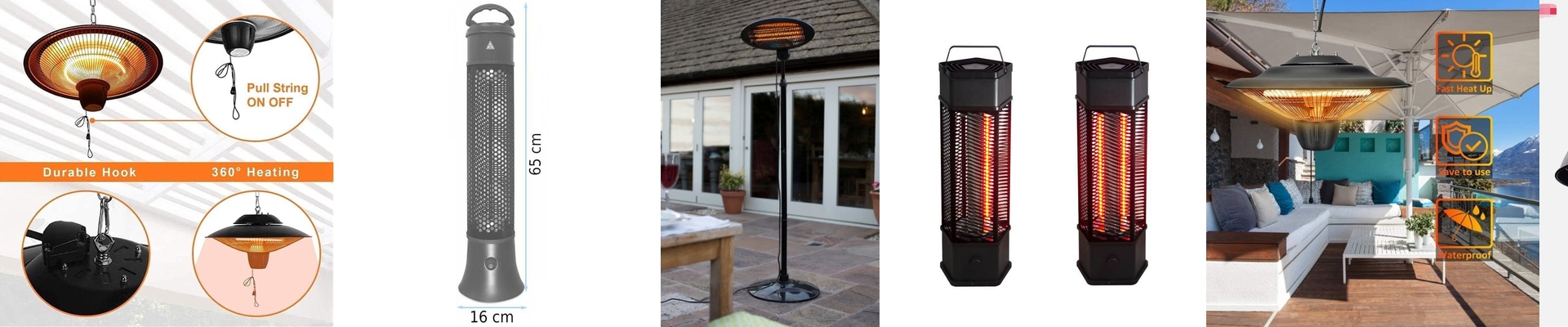
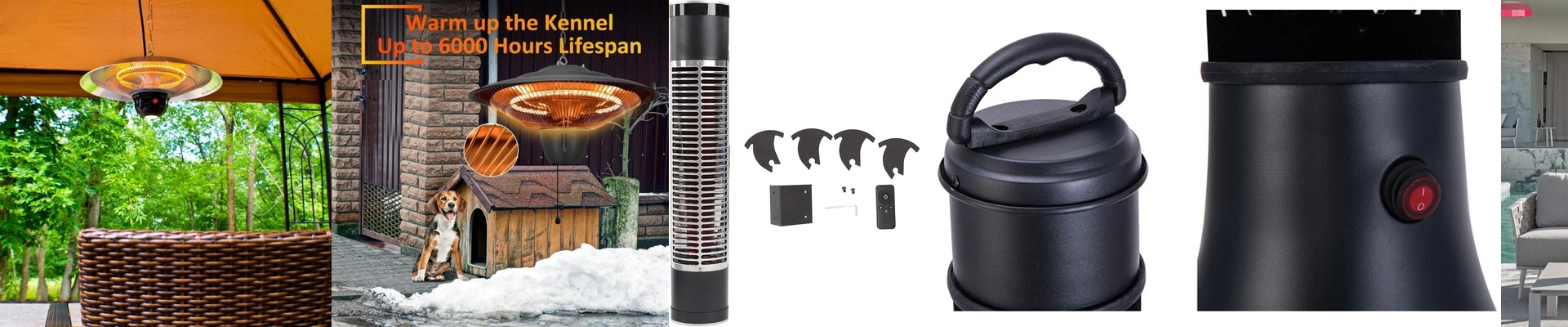
Here is the deal with factory ceiling heaters: they don’t bother warming up the air. Instead, they send heat straight down in waves. This is a huge win because you aren’t wasting money heating a ceiling that’s 10 meters high. You’re heating the floor and the people actually doing the work. If you want that “instant spring” feeling in a freezing warehouse, the trick is hooking these infrared arrays into a smart system or a building manager. How the remote side of things works We basically wire the heaters through smart relays or PLC contactors. When you tap a button on your phone or a wall panel, it flips a high-current switch. The best part? Short-wave infrared lamps hit their top temperature in seconds. No waiting around for the room to “warm up.” We just use IoT gateways to make sure your app can actually talk to the heavy-duty power rails. Keeping things under control Since these setups pull a lot of power, they usually run on 3-phase electricity. We tie everything into a smart hub using PID controllers or basic thermostats. You can set a schedule, but occupancy sensors are where the real magic happens. If the sensor sees that Zone A is empty, it just kills the power to those lamps. It’s a simple way to stop throwing kilowatts at an empty floor. The reality check Now, adding smart tech means adding a potential headache. If your Wi-Fi craps out or the gateway glitches, your remote control is gone. That’s why we always put a manual override switch right there on the shop floor. When it’s -10°C outside and your team is shivering, you can’t be praying to a cloud server in another state. You just need the heat on.Now. One last thing: these high-wattage arrays create a lot of electrical noise. If you don’t use shielded cabling, your smart sensors might start acting twitchy or giving you fake readings. It’s a small detail, but it’s the difference between a system that works and one that drives you crazy.