
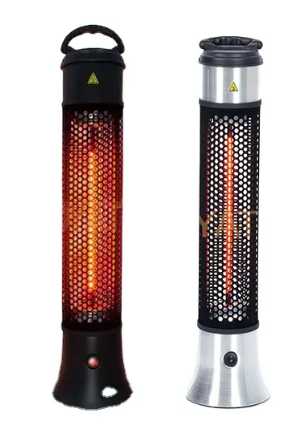
Keeping Your Outdoor Heaters Alive When Things Get Messy
If you run a nightclub patio, you know the drill. It’s chaos. Between the heavy humidity, the midnight dew, and the inevitable drink spill, your gear takes a beating. Most infrared lamps just aren’t built for that. Moisture seeps into the housing, sparks fly, and before you know it, your filaments are fried. We’ve been there. That’s why we built our heaters to actually handle the splash and the fog.
Why “Waterproof” Actually Matters
Water and high-voltage electricity are a nightmare pairing. Simple as that. We use tight gaskets and sealed housings to keep the guts of the heater dry. It’s not just about avoiding a short circuit, though. Think about this: when a cold drop of water hits a scorching hot quartz tube, the glass can crack instantly. It’s called thermal shock, and it’s a quick way to kill an expensive lamp. By locking the heating core away from the elements, we stop that from happening.
The Battle Against Fog
Ever notice how a window fogs up when it’s cold outside? The same thing happens to heaters. Warm, moist air hits a cool surface and leaves a film of water. The problem is, that film blocks the heat. Instead of your guests feeling warm, the energy gets trapped behind a layer of condensation. We fixed this with special coatings and a smarter airflow design. It keeps the lens clear so the heat actually reaches the people who need it.
A Quick Word on Airflow
Here’s the catch. When you seal a unit tight to keep water out, you’re also trapping heat inside the chassis. You can’t just shove these units into a tight corner. Make sure your mounting brackets leave some breathing room around the back. If the air can’t move, the electronics will cook themselves. Give them some space to breathe.
Less Stress, More Life
At the end of the day, a waterproof build just means you aren’t spending your weekends climbing ladders to replace burnt-out tubes. Keeping the internals dry stops corrosion from eating away at the connection points. No arcing, no degrading—just a steady, reliable heat. It’s a “set it and forget it” setup for those high-traffic zones where the equipment really gets hammered.