
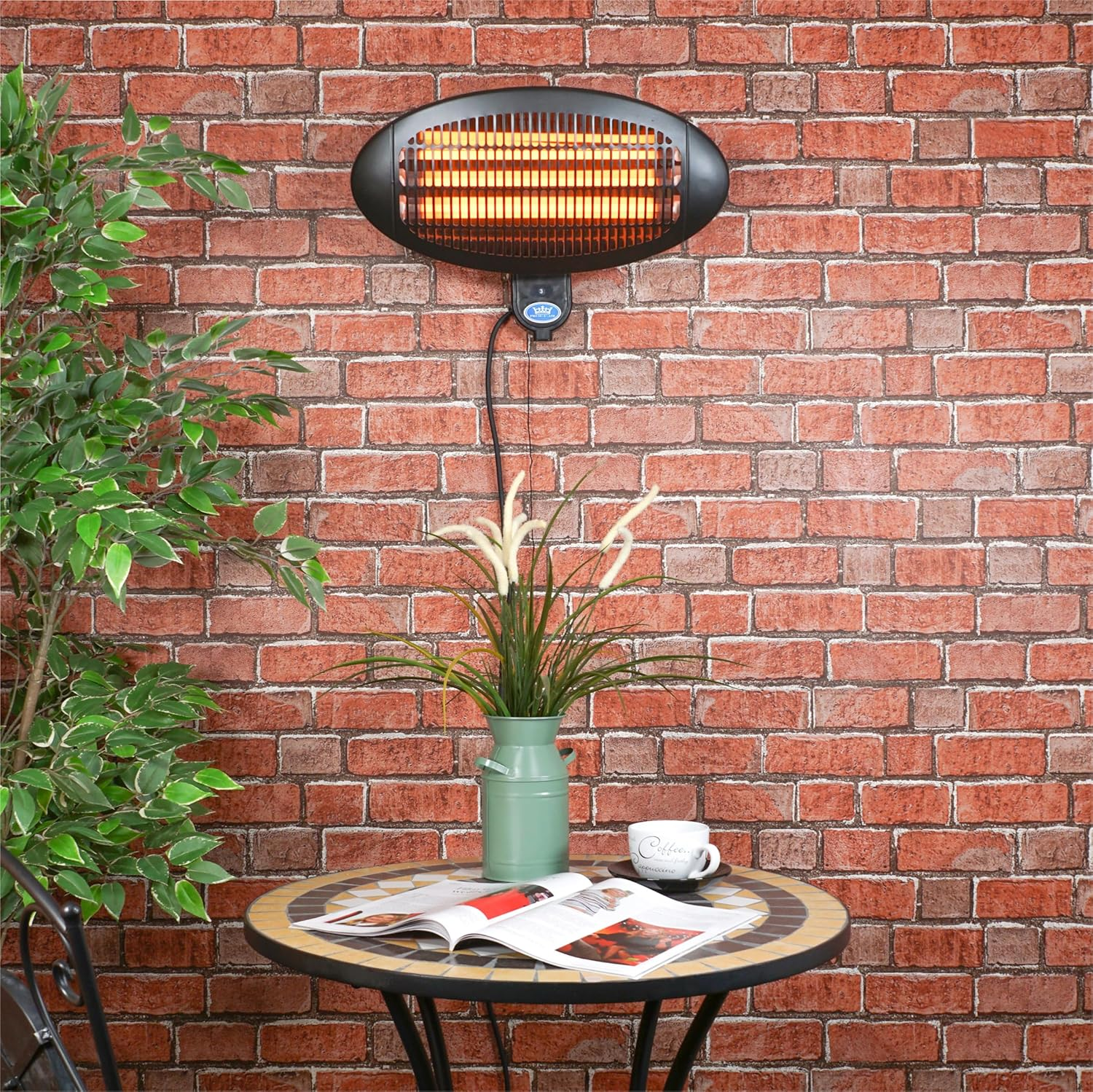
Stop Fighting Your Factory Ceilings
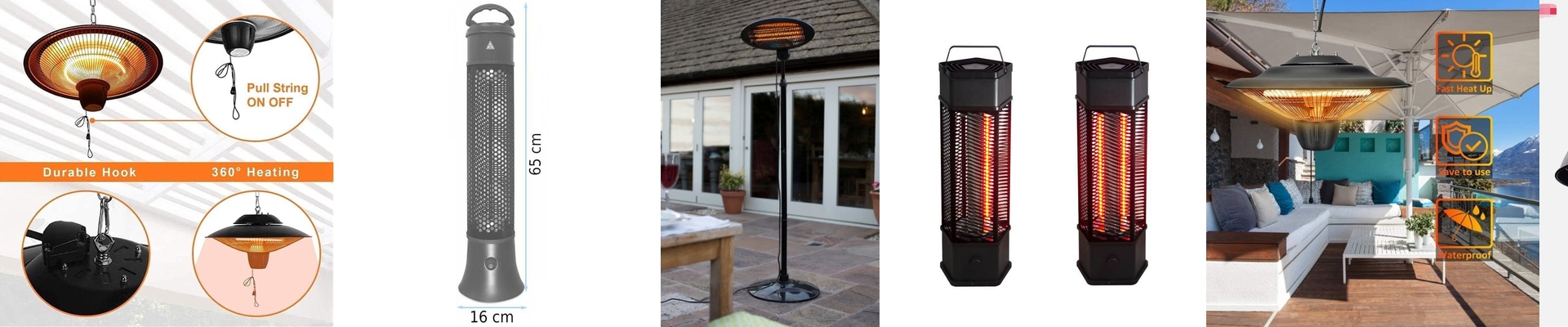
Trying to heat a factory changing room with high ceilings is basically a losing battle against physics. If you use standard heaters, they just warm up the air. And since hot air loves to rise, it all heads straight for the ceiling. The result? Your ceiling is toasty, but your workers are still shivering on the floor. We handle this differently. Instead of trying to heat the air, we use short-wave infrared radiators.
How it actually works
Think of it like stepping into the sun on a crisp October morning. The air around you might still be chilly, but the moment the sunlight hits your skin, you feel that instant warmth. That’s exactly what these radiators do. They send out waves that ignore the air entirely and go straight for the people and objects in the room. You don’t have to wait for the whole room to “warm up.” You just step under the beam and feel it immediately.
Getting the power right
When you’re throwing heat down from 5 or 10 meters up, you can’t go halfway. You need some real muscle. We usually go with high-intensity quartz tubes. They have the punch needed to make sure the heat actually reaches the floor instead of just fizzling out halfway down. But here is a heads-up: these things pull a lot of power, especially when they first kick on. Before you go all-in and wire up a whole bank of them,double-check your breaker specs. You don’t want to find out the hard way that your electrical panel can’t handle the load.
The setup (and the catch)
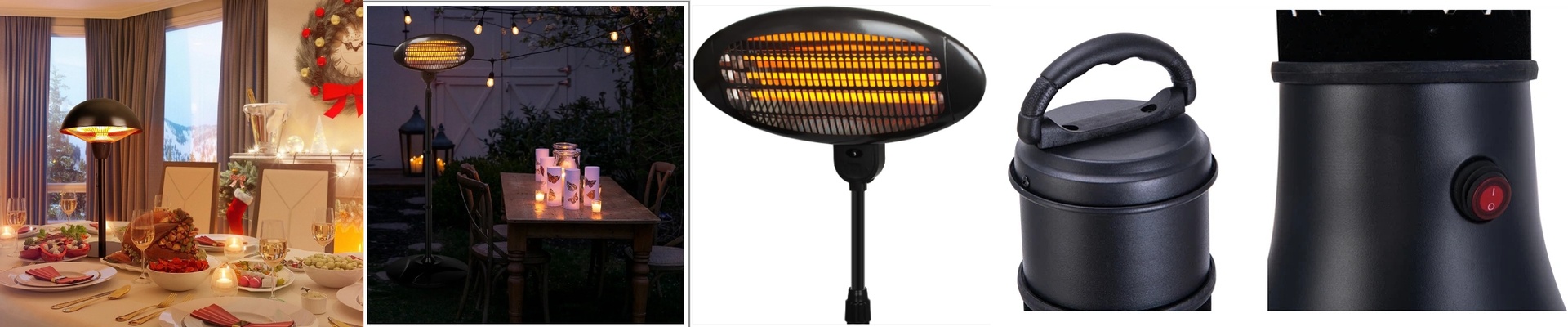
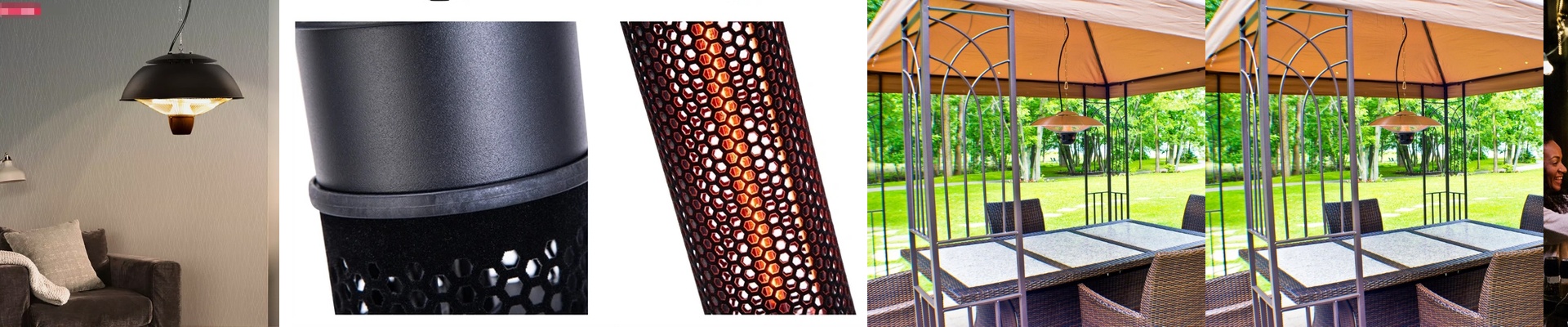
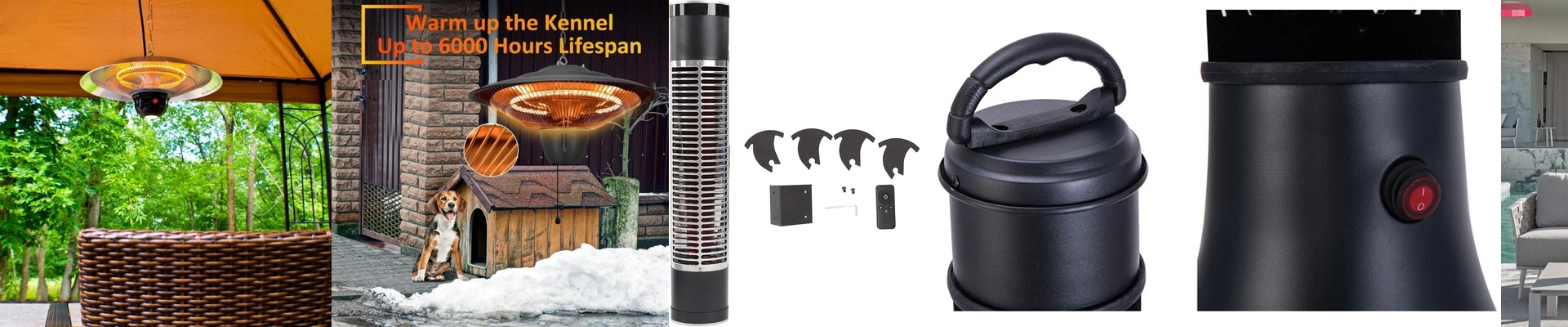
The great thing about these units is that they don’t take up any floor space. They bolt right onto your I-beams or ceiling grids. Plus, you can keep the rest of your warehouse freezing and only heat the exact spot where people are changing. It’s an easy win for your energy bill. Now, there is one thing to watch out for: the “shadow.” Infrared travels in a straight line. If a locker or a big support pillar gets in the way, it blocks the heat. Anyone standing behind that pillar is going to be cold. When you’re planning the layout, don’t just guess. Map out where the lockers are and place the emitters so the heat hits every corner of the floor.