



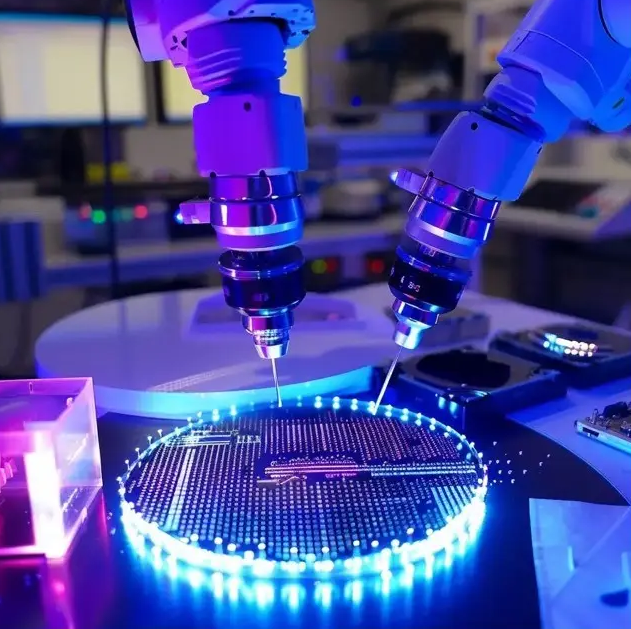
Let’s talk about UHP Infrared Heating for your fab
We build Ultra High Purity (UHP) heater lamps because we know how stressful wafer processing can be when you’re fighting for every single percentage of yield. Everyone is pushing for “Green Factory” standards these days, but for us, it’s simpler than that. Moving from resistive heating to shortwave infrared is just common sense—it stops you from throwing energy away. The problem with the old way Think about a standard resistive furnace. It’s like trying to heat a whole house just to warm up one cup of coffee; you’re wasting a ton of energy heating the chamber walls. Our UHP lamps don’t do that. They hit the substrate directly. Because we’re focusing the energy on a specific wavelength, your ramp-up times drop. Your machines spend less time just sitting there idling and more time actually working. It’s a much lighter thermal footprint. One heads-up, though: the high wattage density is great for speed, but it puts a real strain on your power supplies. If you’re installing high-voltage arrays, make sure your electrical panels can handle that initial surge. You don’t want to be tripping breakers during a cold start. The war on contamination We all know that a few stray particles can kill your yields. It’s a nightmare. That’s why we use synthetic fused silica (quartz) with almost zero metallic impurities. We also scrub the lamps to get rid of volatile organic compounds (VOCs). This means you won’t deal with that annoying outgassing during your first few bake-out cycles. And the connectors? We’re obsessive about them. We use specialized seals because a leaky connection is more than just an electrical risk. If oxygen sneaks into your vacuum or inert environment, it’ll chew up the wafer surface before you even notice. The real-world trade-off Switching to IR definitely drops your kWh per wafer. It looks great on the carbon accounting sheets. But here’s the thing: IR lamps don’t last forever. The filaments evaporate over time. It’s just physics. To keep your process from drifting, you’ve got to stay on top of a replacement schedule. Whatever you do, don’t wait for a lamp to pop mid-batch. Scrapping an entire lot because of one dead bulb is a mistake you only make once.