

Why you should ditch those old bathroom heat lamps for high-IP infrareds
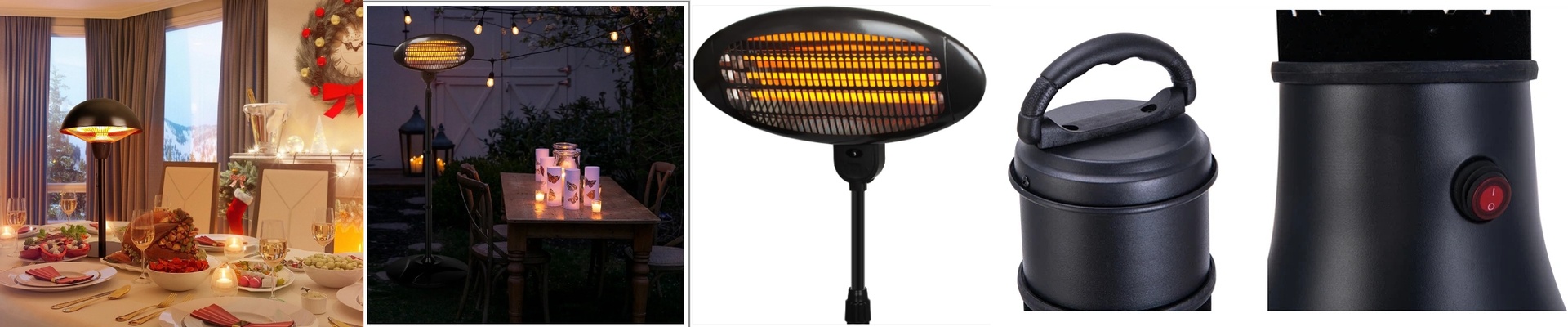
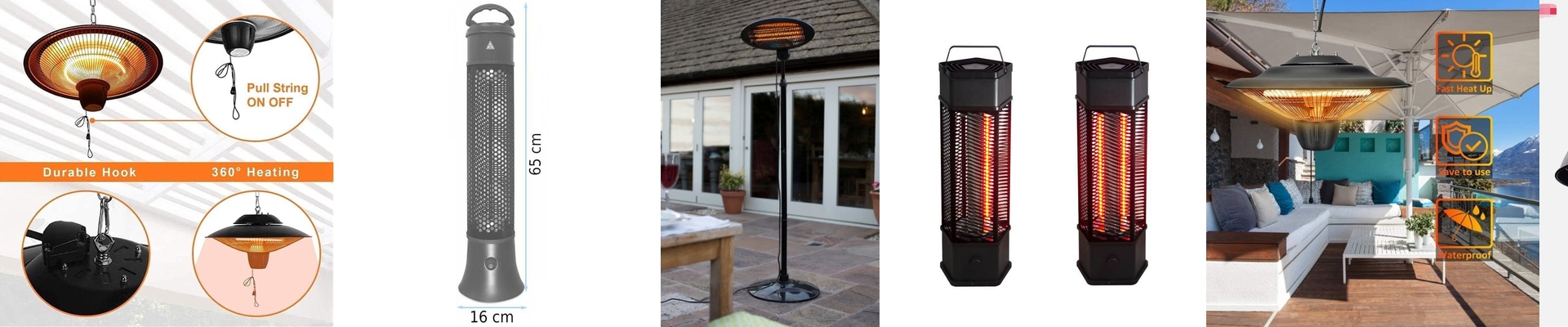
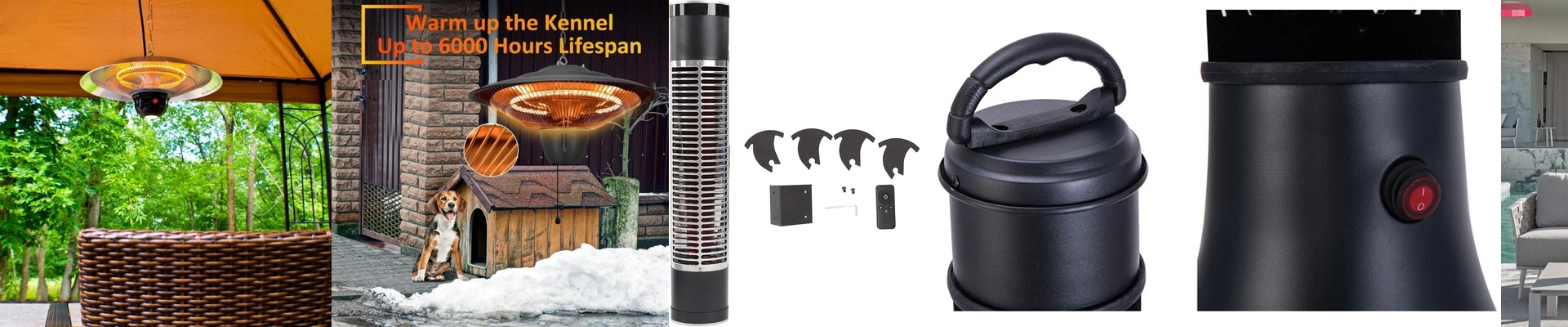
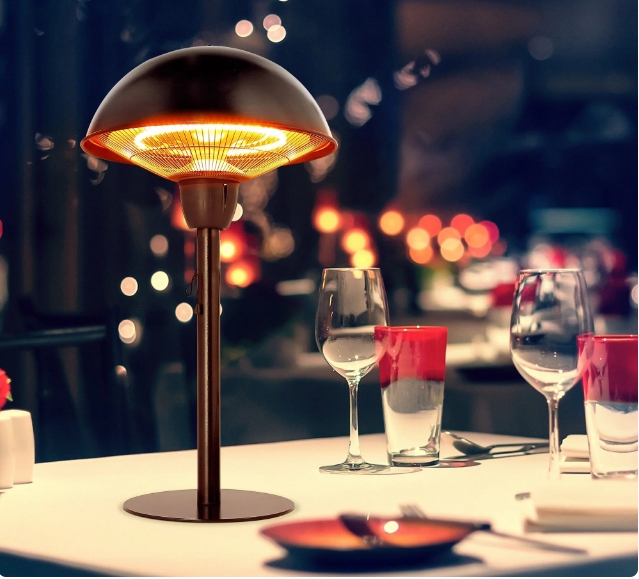
Ever step out of a hot shower into a bathroom that feels like a walk-in freezer? It’s the worst. Most of us grew up with those standard “light-style” heaters, but let’s be honest—they barely do anything. Plus, they usually die a premature death because they just aren’t built for a room full of steam and splashes. That’s why so many people are switching to high-waterproof infrared heaters during their renos. It’s not just a trend; it’s actually about how the heat gets to you. Instant warmth, no waiting Here’s the thing about old heaters: they try to warm up the air. In a damp bathroom, that takes forever. Infrared is different. It doesn’t bother with the air; it sends waves of heat straight to your skin. It feels like stepping into a patch of sunlight on a cold day. You feel it the second you flip the switch. We use quartz or halogen elements to make sure that heat actually punches through the humidity instead of just bouncing off it. The “Waterproof” part actually matters You’ll see “IP ratings” on the boxes, and it sounds like boring tech-speak, but it’s actually the most important part. Cheap lamps have tiny gaps. Steam sneaks in, hits the wiring, and starts eating away at the metal. Before you know it, the unit shorts out. High-IP units use thick silicone gaskets and sealed glass to keep the moisture out of the electrical guts. If you go cheap here, you’re probably looking at a dead heater by the second winter. A few things to keep in mind These are meant for the ceiling to give the heat room to spread. But be careful with where you put them. Since the heat is so concentrated, you don’t want them too low, or you’ll feel like you’re standing under a grill. And a quick heads-up: check your wiring. These infrared elements pull a lot more power than a couple of old light bulbs. Make sure your wires can handle the load so you don’t run into any voltage issues. It’s a small detail, but it makes the difference between a cozy morning and a tripped circuit breaker.