

Keeping Your Wafers Clean When Things Go Wrong
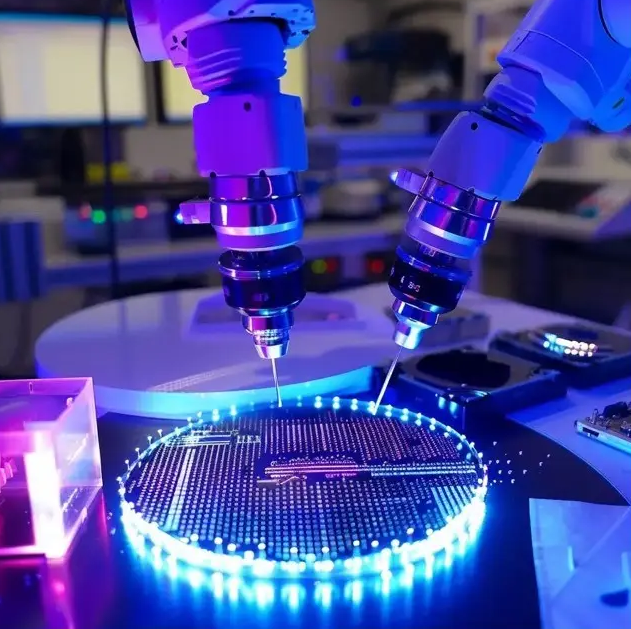
In wafer fab, a lamp failure is a nightmare. It’s not just about the machine stopping for a few hours. If a quartz tube pops under a heavy load, you’ve got glass shards and tungsten bits raining down on your silicon. Suddenly, a simple part failure turns into a massive contamination disaster. We build our IR curing lamps to stop that from happening. Stopping the shrapnel We start with high-purity fused quartz because it can handle the shock of heating up and cooling down quickly. But we don’t stop there. We wrap the lamps in a protective sleeve or a special coating. Think of it as a safety net. If the filament snaps or the tube cracks, the sleeve catches everything. The debris stays trapped inside, and your wafers stay clean. Dealing with the heat When you’re pushing production, you’re pushing your tubes to the limit. Most tubes burst because of “hot spots”—areas where the heat gets too concentrated. To fix this, we obsess over the filament winding and the end caps. We make sure the heat is spread evenly across the whole tube so there aren’t any weak points. One quick tip: check your cooling system. If the air around the lamp housing gets too hot, even the best quartz in the world will eventually give way. The little things that matter We use standard connectors because a loose fit is a recipe for trouble. Loose connections cause arcing, which leads to overheating and a burnt-out lamp. Plus, a tight fit means the lamp doesn’t wiggle around when the machine is vibrating. Here’s the honest truth: no lamp lasts forever. We aren’t promising a bulb that never breaks. What we are promising is a system where, when a lamp finally hits its limit, it doesn’t take your entire batch of wafers down with it.