Stop Letting Your Patio Go to Waste in the Winter
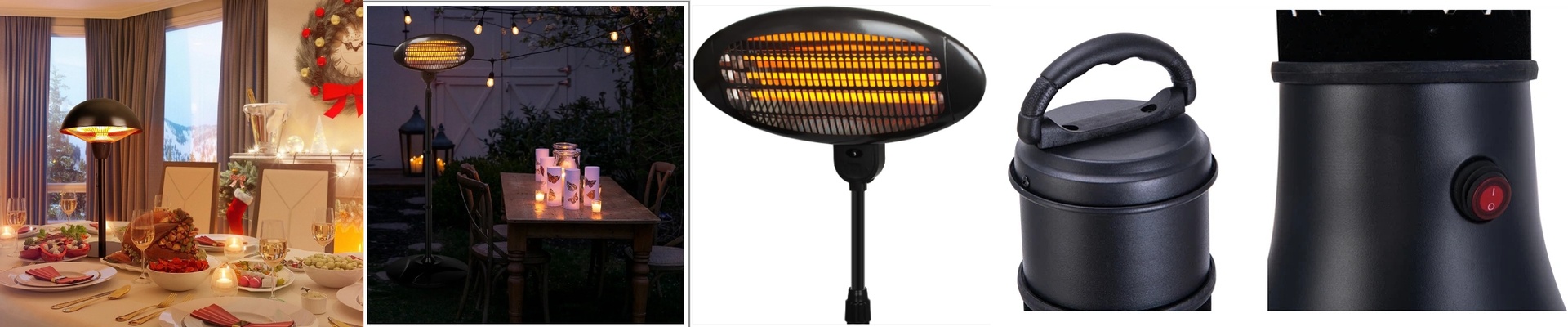
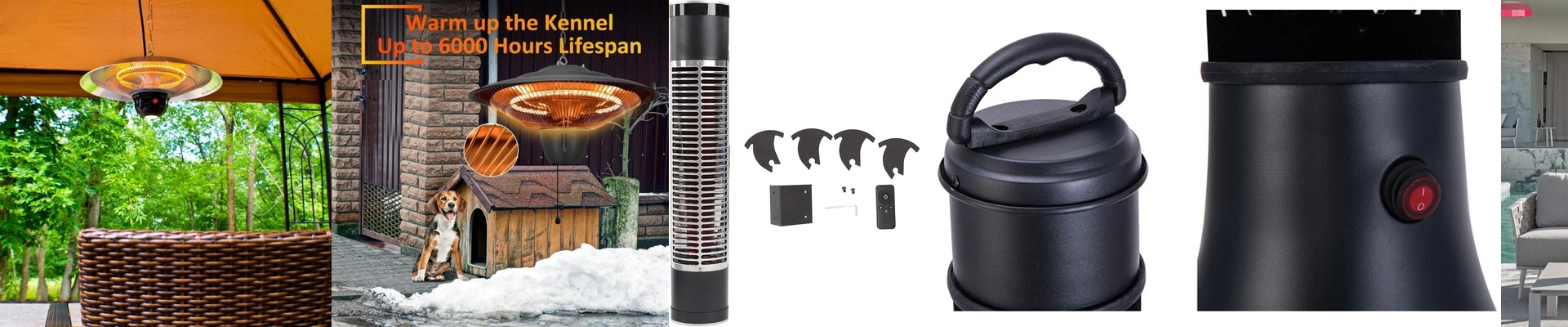
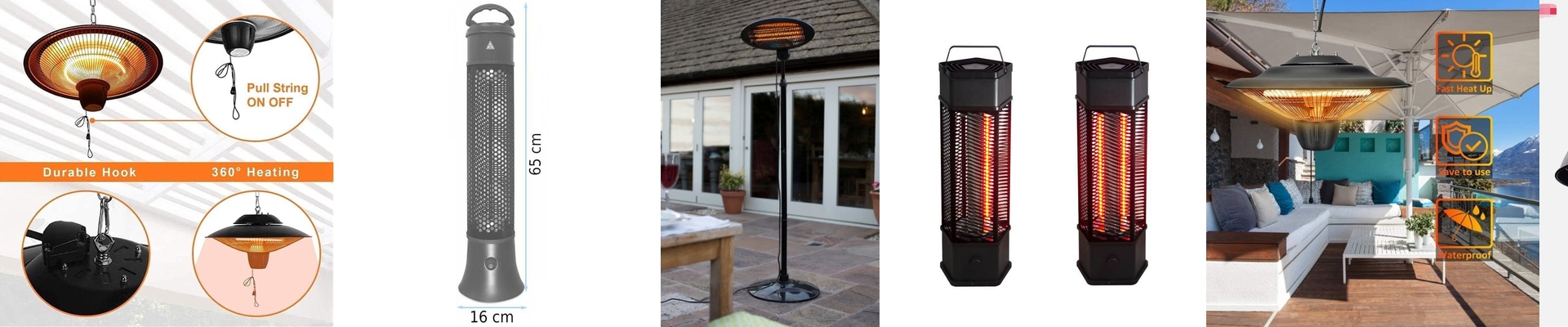
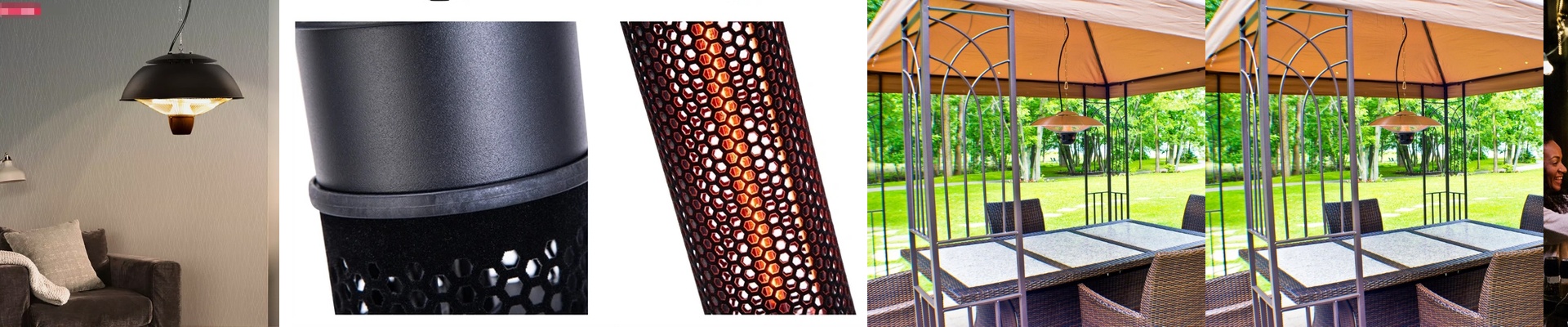
It’s a frustrating sight: a beautiful outdoor dining area sitting completely empty just because the temperature dropped. Most people try to fix this with those big forced-air heaters, but let’s be honest—they don’t work. You can’t heat the wind. The second a breeze kicks up, all that expensive warm air just blows away, leaving your guests shivering. That’s why we use shortwave infrared. Instead of trying to warm up the air, infrared goes straight for the target. It hits your customers and their chairs directly. It feels like sitting in a patch of sunlight on a crisp autumn day. Getting the setup right If you’re putting these into a pergola, you can’t just buy any heater. You need units that are actually waterproof. We use IP-rated housings because rain and snow don’t care about your electrical circuits. These usually run on 220V-240V and pump out anywhere from 1500W to 3000W. But the real trick is how you place them. We aim for what I call a “heat umbrella.” You want a solid blanket of warmth over the table so your guests don’t feel a cold spot the moment they lean back. Just a heads-up: don’t overload your breakers. If you flip ten of these on at once, you don’t want your lights going dark. The gear that actually lasts We stick with quartz heating elements. Why? Because they’re fast. Really fast. Your guests shouldn’t have to sit there for ten minutes waiting for the heater to “warm up.” They should feel the heat the second they sit down. We also use polished aluminum reflectors to push that heat downward. There’s no point in heating the roof of your pergola; you want that energy on the people. Everything is powder-coated and sealed tight. Outdoor gear takes a beating, and cheap wiring will just corrode and burn out. We use the heavy-duty stuff so you aren’t replacing units every two seasons. The bottom line for your business Here is the reality: warm guests stay longer. And when they stay longer, they order another round of drinks or a dessert they weren’t planning on. It turns your patio from a “summer-only” perk into a money-maker all year round. One thing to watch out for, though. These arrays pull a lot of power. You’ll probably need to look at your outdoor electrical panel. If your wiring is too thin, you’ll get voltage drops, and your heaters will just feel lukewarm. It’s worth the upgrade up front to make sure the heat is actually hitting hard.