
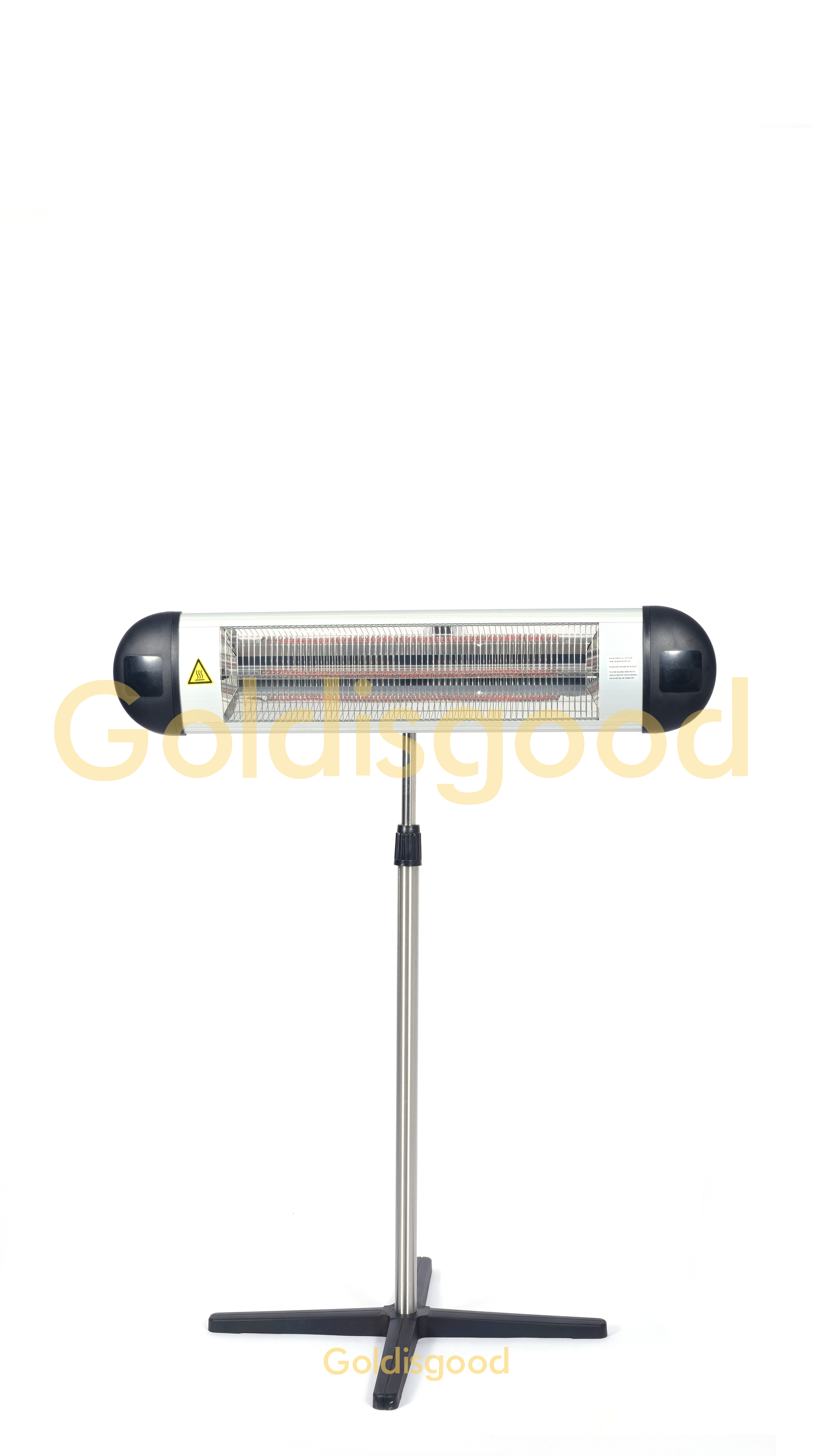
Why You Should Stop Using Old-School Bathroom Heaters
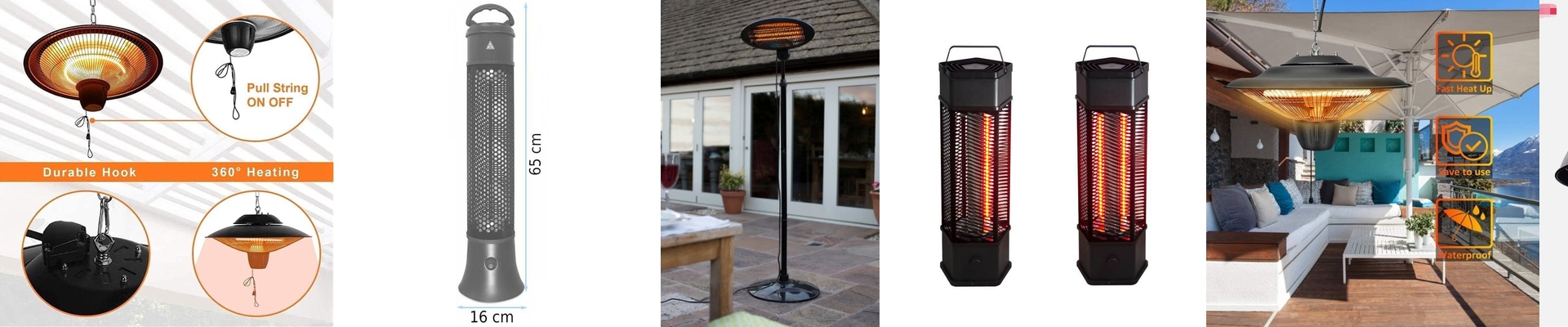
We’ve all been there. You’re stepping out of a hot shower, and that old lamp heater in the ceiling just… gives up. It flickers, pops, and suddenly you’re shivering in a cold room. Those high-wattage bulbs hate steam. They basically invite water to seep into the housing, and once that happens, it’s game over. That’s why I’ve been pushing IP65 infrared heaters lately. They just make more sense for a wet room. The deal with IP65 If you see “IP65” on a box, it basically means the thing is sealed tight. No dust gets in, and water jets can’t find a way inside. In a bathroom, you’re dealing with a constant battle against humidity and direct splashes. Standard heaters usually leak at the gaskets, which lets the internal wiring rust out. It’s a slow death. But an IP65 unit uses specialized cable glands and sealed enclosures to keep the guts dry. It stays working long after a cheap heater would have burnt out. Heat you actually feel Here is the best part: the way it actually warms you up. Old heaters try to warm the air. But the second you open the bathroom door, all that warm air rushes out and you’re cold again. Infrared is different. It uses short-wave radiation—think of it like the sun hitting your skin on a winter day. It doesn’t care about the air; it goes straight for your skin or the floor. We use quartz or halogen elements to make this happen. They hit their peak temperature in seconds. You turn it on, and you feel it. Immediately. A few things to keep in mind It’s not a “plug and play” situation. You’ll need a dedicated circuit for these. If you’re installing a few of them, a standard outlet just won’t cut it. Also, be careful with where you put them. Because the heat is so concentrated, the casing can get seriously hot. If you mount them too low, someone could actually get burned. It’s all about finding that sweet spot—high enough to be safe, but low enough to keep you toasted. At the end of the day, it just saves you the headache. No more climbing ladders to replace blown bulbs or staring at a rusted housing. If you’re renovating a bathroom and want something that actually lasts, this is the way to go.