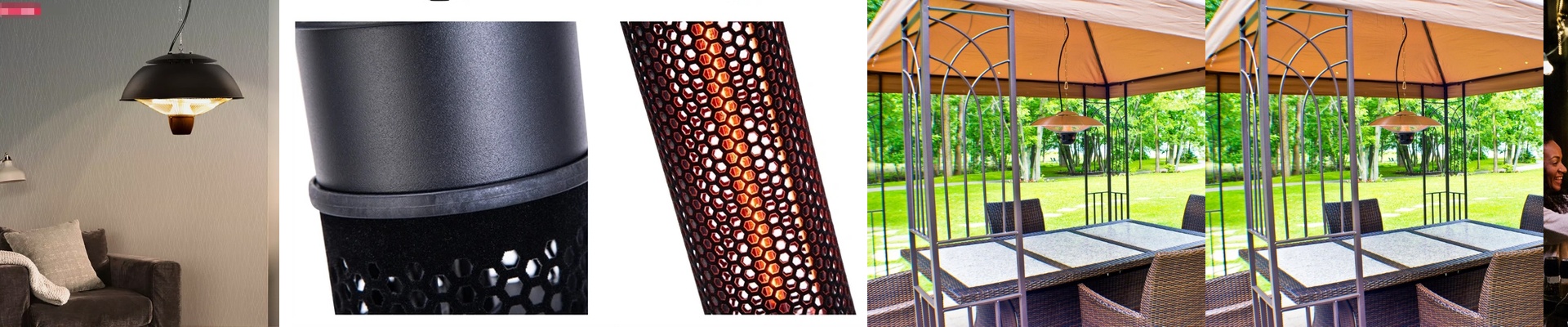

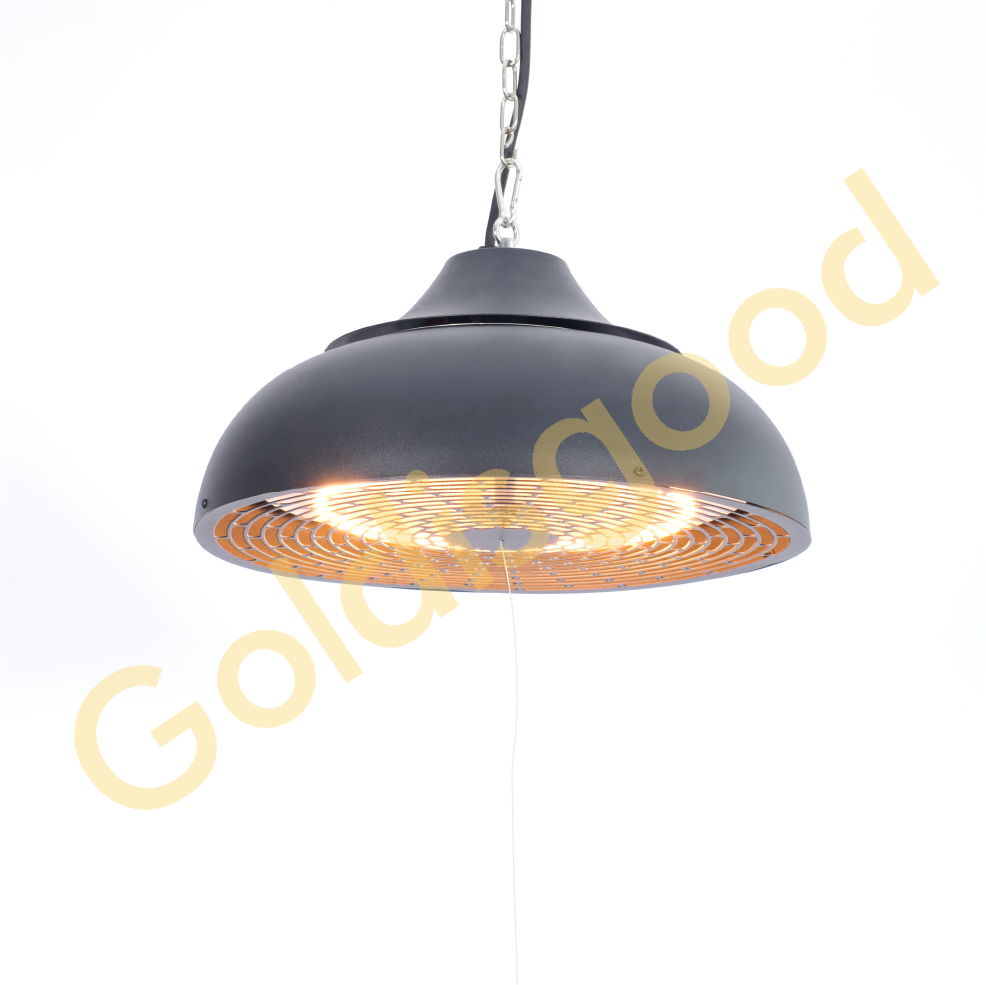
Making Your Pergola Actually Useable in the Winter
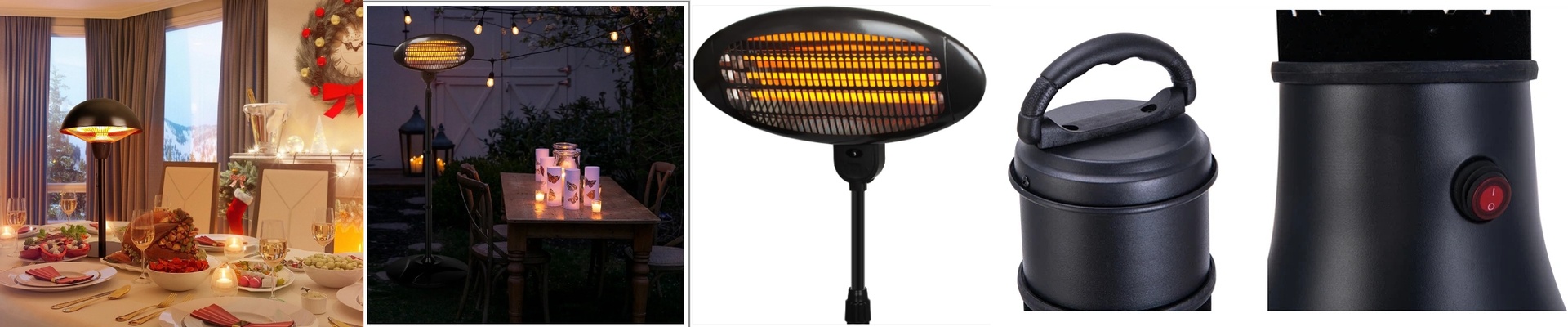
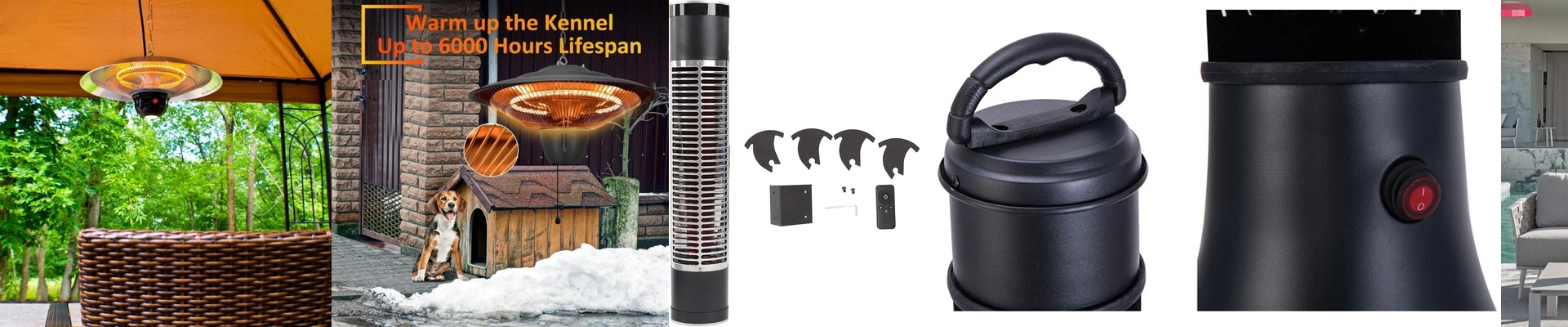
Let’s be honest: most outdoor spaces become ghost towns the second the temperature drops. We’ve all tried those clunky space heaters that just blow lukewarm air around while the wind carries the heat away. It’s frustrating. That’s why we build waterproof infrared heaters. The goal is simple: make your pergola a place you actually want to be, even in January.
Heat That Hits Instantly
Here is the cool part about infrared. It doesn’t bother trying to warm up the freezing air around you. Instead, it sends heat straight to your skin and your furniture. It feels like stepping into a patch of sunlight on a cold day. We use short-wave elements for these because they punch through the wind. You don’t have to wait twenty minutes for the “room” to warm up. You flip a switch, and you’re warm. Period.
Making it “Smart” (Without the Headache)
The real magic happens when you stop messing with manual switches. If you link your heaters to a hub using Zigbee or Matter, you can set up a “winter mode.” Imagine this: one tap on your phone closes the pergola louvers to trap the heat and fires up the heaters all at once. It just works. But a word of warning here. These heaters are power-hungry—usually pulling between 1500W and 3000W each. If you use a cheap, flimsy smart relay, it’ll probably fry itself in a few weeks.**Don’t skimp on the hardware.**Make sure your relays are rated for high current and your wiring is thick enough to handle the load without overheating.
Dealing With the Elements
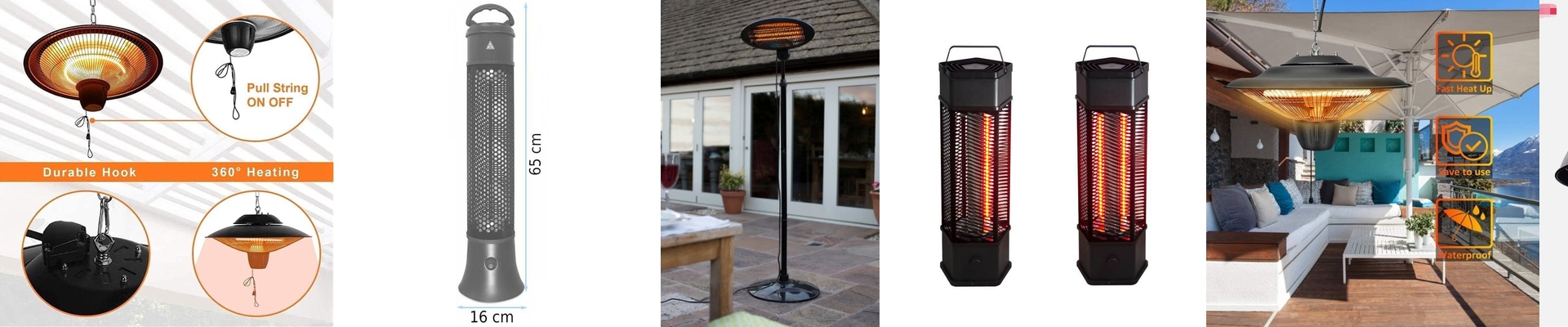
Since these live outside, they have to be tough. We use IP65-rated seals and tempered glass to keep the rain and snow away from the guts of the machine. There is a trade-off, though. To make something truly waterproof, the housing has to be a bit bulkier. It also means the heat can get trapped inside the casing where it doesn’t belong. When you’re mounting them, give the units some breathing room. If you jam them too tight against the ceiling, they can’t breathe, and you’re asking for trouble. A little bit of airflow behind the unit goes a long way in keeping everything running smoothly.